
News
Beyond Blood Sugar: SGLT2 Inhibitors Redefining Heart Failure Treatment
canagliflozin cardio-renal health CardioSupport Matrix cardiovascular outcomes dapagliflozin diabetes and heart disease diuresis in heart failure empagliflozin glucose and heart health heart failure supplements heart failure treatment heart medication HFpEF HFrEF ketones and cardiac energy modern cardiology preserved ejection fraction reduced ejection fraction renal protection SGLT2 inhibitors SGLT2 mechanism

Once viewed solely as glucose-lowering agents for people with type 2 diabetes, SGLT2 inhibitors are now at the forefront of a revolution in cardiology. These medications—originally developed to reduce blood sugar by promoting glucose excretion through the urine—have unexpectedly emerged as powerful tools in the management of heart failure, offering benefits that extend far beyond glycemic control.
Today, SGLT2 inhibitors like empagliflozin, dapagliflozin, and canagliflozin are being prescribed for patients with and without diabetes to treat heart failure with both reduced and preserved ejection fraction. The shift is profound: we're no longer just treating numbers on a blood test—we're treating the heart, the kidneys, and the whole person. This article explores how SGLT2 inhibitors are reshaping the future of heart failure care and improving outcomes in ways no one predicted a decade ago.
The Anti-Aging Pill? How Senolytics Are Reversing Frailty and Boosting Strength
aging reversal anti-aging pill anti-aging science dasatinib quercetin fisetin benefits frailty treatment healthspan extension healthy aging inflammaging longevity supplements muscle strength aging navitoclax physical function aging reversing aging senescent cells senolytic research senolytic supplements senolytics senolytics safety zombie cells

Aging is a natural part of life, but the decline in physical strength, mobility, and resilience doesn’t have to be. Scientists are beginning to unlock new ways to combat the wear and tear of aging—not by simply managing symptoms, but by targeting its root causes at the cellular level. One of the most exciting breakthroughs in this arena is the development of senolytics: a class of compounds that selectively eliminate senescent cells—often called “zombie cells”—that accumulate with age and contribute to chronic inflammation, tissue dysfunction, and age-related diseases.
Once dismissed as science fiction, senolytics are rapidly emerging as a legitimate therapeutic strategy for extending healthspan—the period of life spent in good health—rather than merely lifespan. Early research suggests these compounds may not only slow aging but actually reverse some of its most debilitating effects, including frailty, muscle weakness, and reduced mobility. As researchers continue to refine these compounds, the possibility of an “anti-aging pill” is inching closer to reality. In this article, we dive deep into how senolytics work, what the science says so far, and what this could mean for the future of aging and physical function.
The City's Secret Toll: How Noise and Light Pollution Are Robbing Your Sleep
ambient noise and sleep blackout curtains blue light sleep effects circadian rhythm city living health risks city noise and insomnia light pollution light pollution effects melatonin suppression natural sleep support noise pollution sleep and mental health sleep disruption sleep hygiene sleep optimization SleepBlend PM Support smart sleep devices urban sleep health urban wellness white noise for sleep

The city never sleeps—but that doesn’t mean you shouldn’t. Urban life pulses with energy, but behind the shimmering lights and hum of traffic lies an invisible threat to health: environmental pollution not of the air or water, but of sound and light. While you might brush off the occasional honk or glow from a streetlamp, research shows that even low levels of ambient noise and artificial light can wreak havoc on your ability to get restful, restorative sleep.
More than a nuisance, urban noise and light pollution are increasingly recognized as serious disruptors of circadian rhythm, melatonin production, and mental health. From sleep fragmentation to long-term risks like cardiovascular disease and depression, the stakes are higher than most city dwellers realize. This article explores the science of how our environment sabotages sleep, and what you can do to reclaim the rest you need—whether you live in a penthouse or a studio by a busy street.
The Vaping Controversy: Health Risks, Addiction, and the Truth Behind the Haze
e-cigarettes health effects EVALI flavored vapes how to quit vaping lung detox supplements lung injury from vaping LungRenew Herbal Complex nicotine addiction nicotine withdrawal psychological dependence vaping quitting vaping vape health controversy vape vs cigarette vaping and brain development vaping and teens vaping gateway drug vaping marketing vaping regulation vaping risks youth vaping trends

Marketed as the cleaner alternative to traditional smoking, vaping has rapidly become a cultural phenomenon, especially among teens and young adults. But beneath the sleek designs and fruity flavors lies a growing controversy. Are e-cigarettes truly safer, or are we simply swapping one addiction for another?
As the science catches up with the surge in popularity, evidence is mounting that vaping is far from harmless. With rising concerns over lung injuries, nicotine dependence, and long-term health impacts, it’s time to pull back the vapor curtain. This guide explores the realities of vaping—what it is, how it works, and the very real consequences users and policymakers are now facing.
Unlocking the Power of Digital Phenotyping for Bipolar and Mood Disorders
behavioral data monitoring bipolar disorder tracking bipolar tech solutions digital biomarkers digital phenotyping digital psychiatry mental health innovation mental health sensors mental wellness apps mood disorders technology mood prediction mood stability supplements MoodLift Neural Balance passive mood tracking real-time mood monitoring sleep tracking for mood smartphone mental health telepsychiatry tools voice analysis depression wearable mental health
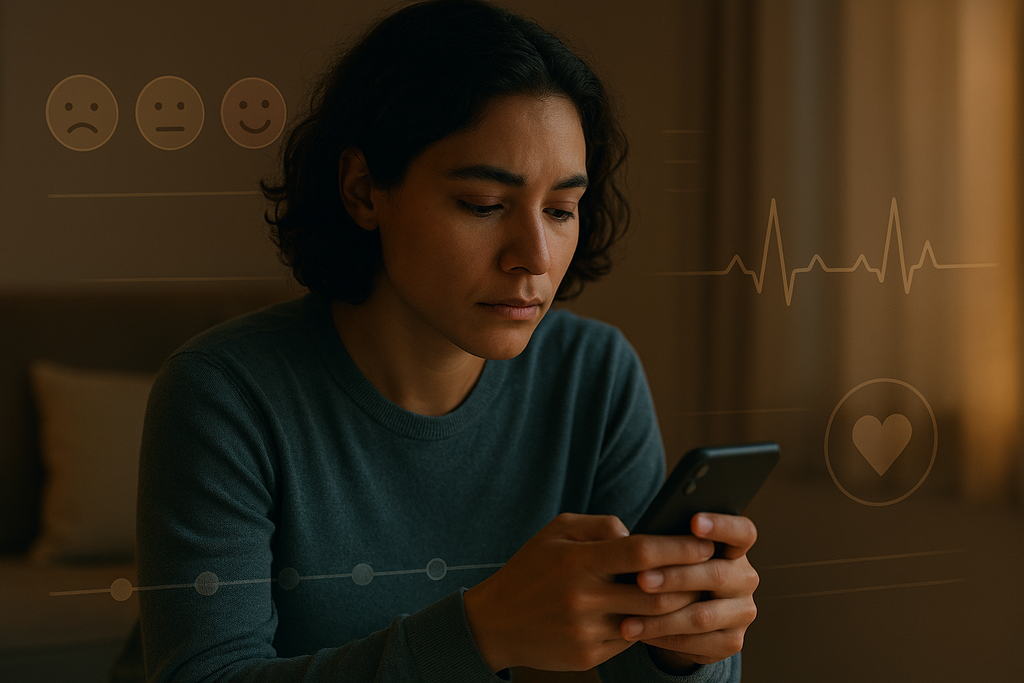
In the world of mental health, diagnosis and treatment have long relied on subjective assessments, self-reports, and sporadic clinical visits. But what if your smartphone could help track and even predict mood swings in real time? That’s the promise of digital phenotyping—a cutting-edge approach that uses data from digital devices to quantify human behavior and mental states.
For individuals living with bipolar disorder and mood-related conditions, digital phenotyping represents a revolutionary leap. By analyzing everything from typing speed and sleep patterns to voice tone and movement, this method offers a continuous, objective window into psychological well-being. In this article, we explore how digital phenotyping is transforming mental health monitoring and unlocking new potential for early detection, personalized care, and preventative strategies.