News
Influenza Vaccine: Is It Right for You?
annual flu shot flu complications flu prevention flu season protection flu shot flu shot side effects flu vaccination myths flu vaccine benefits flu vaccine effectiveness flu vaccine facts herd immunity high-risk groups flu vaccine influenza vaccine influenza virus who should get the flu vaccine

But is the influenza vaccine right for everyone? Many people have questions about the vaccine’s safety, effectiveness, and who should receive it. In this article, we’ll explore the benefits of the flu shot, who should get vaccinated, and address common concerns surrounding the vaccine. Whether you’re considering the vaccine for the first time or wondering if it’s necessary for you this season, understanding its role in preventing illness can help you make an informed decision.
Skin Cancer Screening: How Often Should You Check Your Skin?
ABCDE rule cancer awareness dermatologist visit early detection melanoma signs monthly skin checks self-skin exam skin cancer awareness skin cancer prevention skin cancer risk factors skin cancer screening skin cancer symptoms skin cancer treatment skin check frequency skin health sun protection tanning bed risks
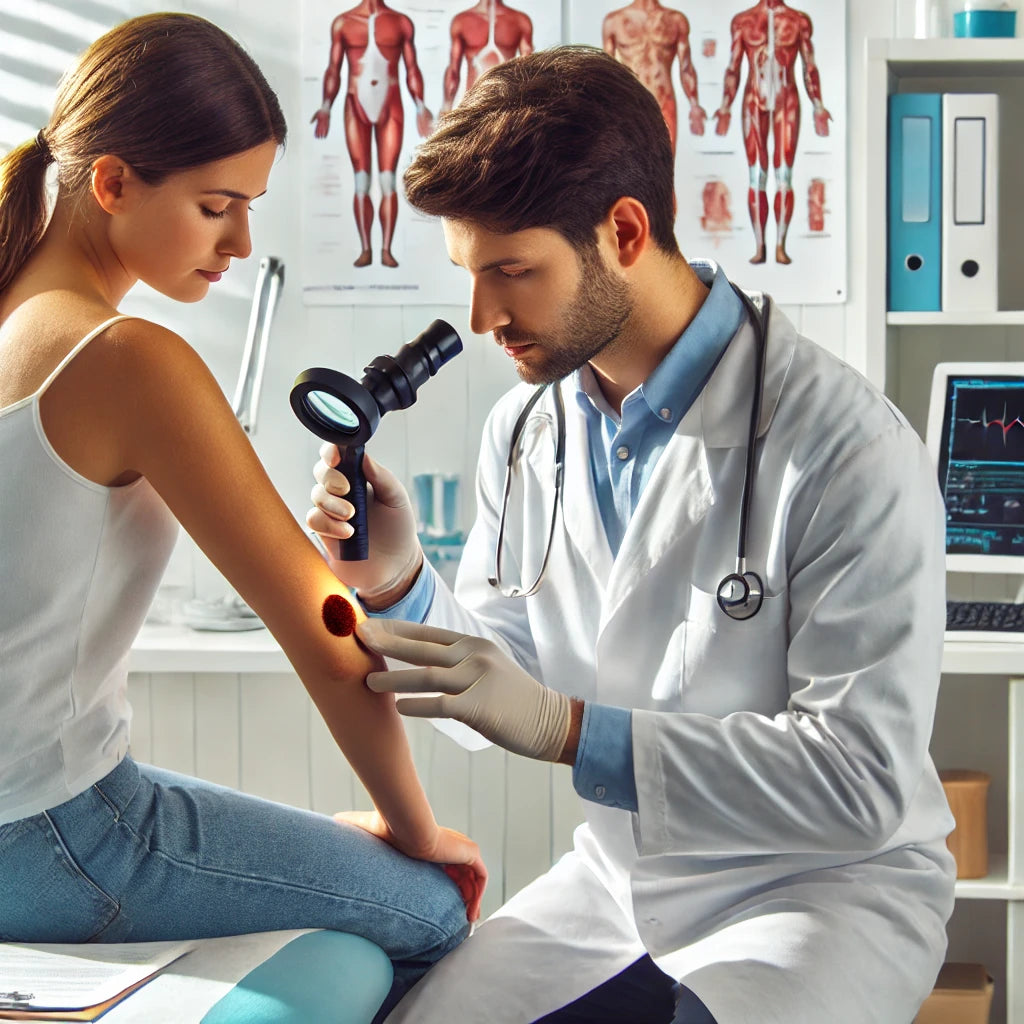
Understanding the importance of skin cancer screening and knowing when and how often to check your skin can help you catch warning signs early. Skin cancer screening is a simple, proactive step toward protecting your health, and it’s easier than you might think. In this article, we’ll discuss how often you should check your skin, the best methods for self-examinations, and when to see a dermatologist for a professional skin cancer screening.
Early Signs and Symptoms of Chronic Kidney Disease
changes in urination chronic illness chronic kidney disease CKD diagnosis CKD management CKD risk factors CKD symptoms CKD treatment early CKD detection early signs of CKD fatigue CKD high blood pressure CKD kidney disease prevention kidney disease progression kidney failure kidney function kidney health managing CKD nephrology swelling CKD
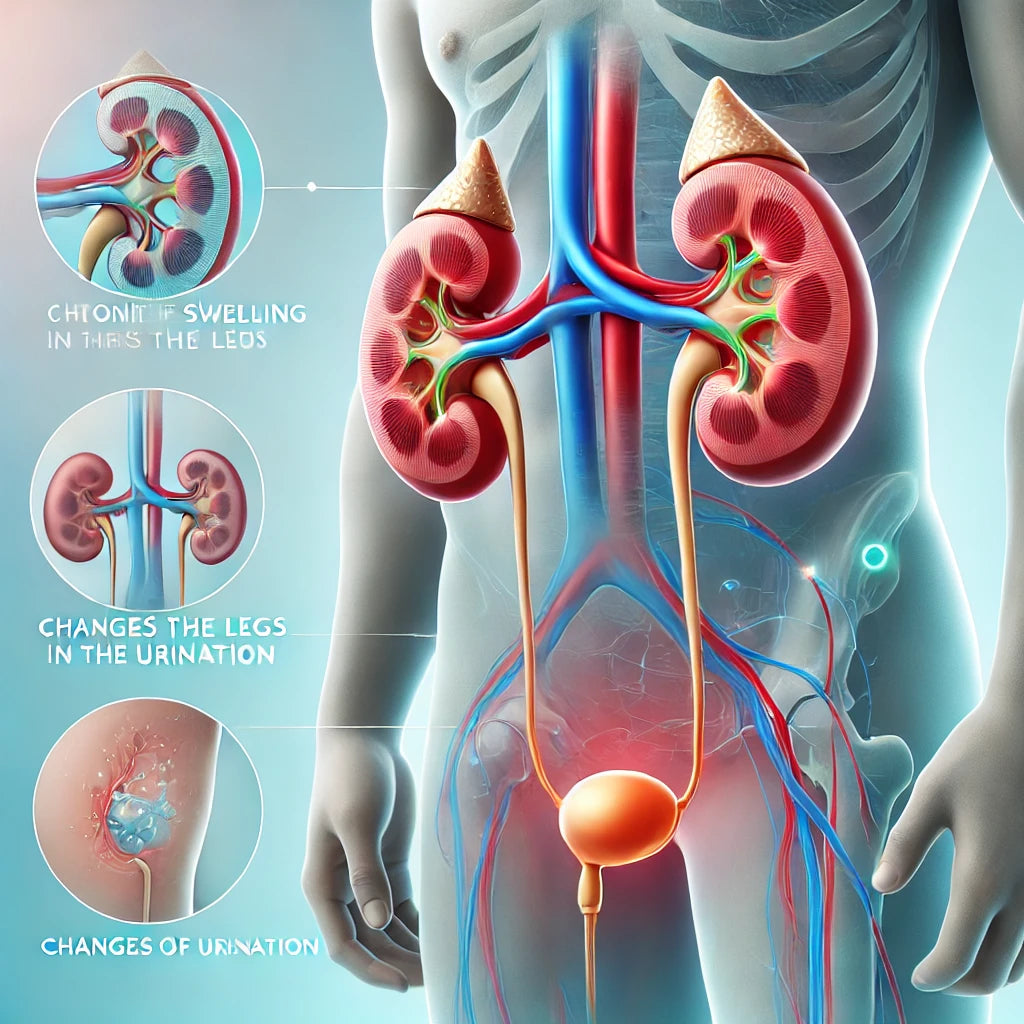
Recognizing the early signs and symptoms of CKD can help individuals seek timely treatment, manage the disease more effectively, and prevent further damage to the kidneys. In this article, we will explore the common early indicators of CKD, the importance of early diagnosis, and how to reduce the risk of progression. Knowing these signs can empower people to take control of their health before the disease becomes more severe.
Balancing Your Gut Microbiome with Postbiotics
blood sugar regulation butyrate digestion fermented foods gut balance gut barrier gut health immune system inflammation leaky gut metabolic health microbiome postbiotic benefits postbiotic supplements postbiotics prebiotics probiotics SCFAs short-chain fatty acids weight management
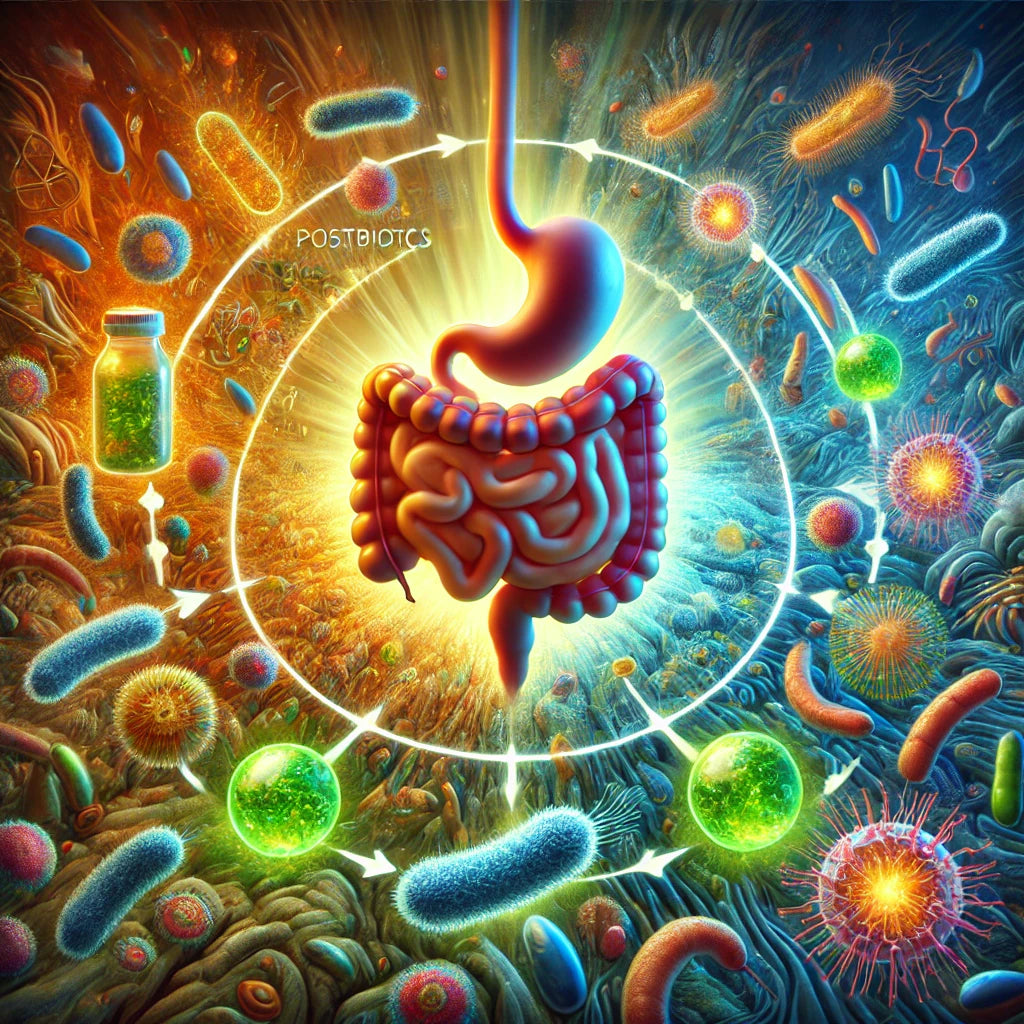
The gut microbiome, often called the body’s “second brain,” plays a vital role in our overall health, influencing digestion, immunity, and even mood. Maintaining a balanced gut microbiome is crucial for optimal wellness, and for years, the focus has been on probiotics and prebiotics. However, recent research has revealed the importance of a lesser-known player in gut health: postbiotics.
Postbiotics are the metabolic byproducts produced by beneficial bacteria in your gut. Unlike probiotics, which are live bacteria, postbiotics are non-living compounds, yet they still have powerful effects on health. These compounds can help reduce inflammation, enhance gut barrier function, and improve immune response. Understanding how postbiotics work and incorporating them into your lifestyle can be key to maintaining a balanced gut microbiome.
The Role of Glymphatic System in Neurodegenerative Diseases
alpha-synuclein Alzheimer's disease Alzheimer's prevention amyloid-beta clearance brain detoxification Brain Health brain health interventions brain waste removal cerebrospinal fluid glymphatic dysfunction glymphatic function glymphatic pathways glymphatic research glymphatic system neurodegeneration neurodegenerative diseases Parkinson's disease Parkinson's treatments sleep and brain health sleep quality
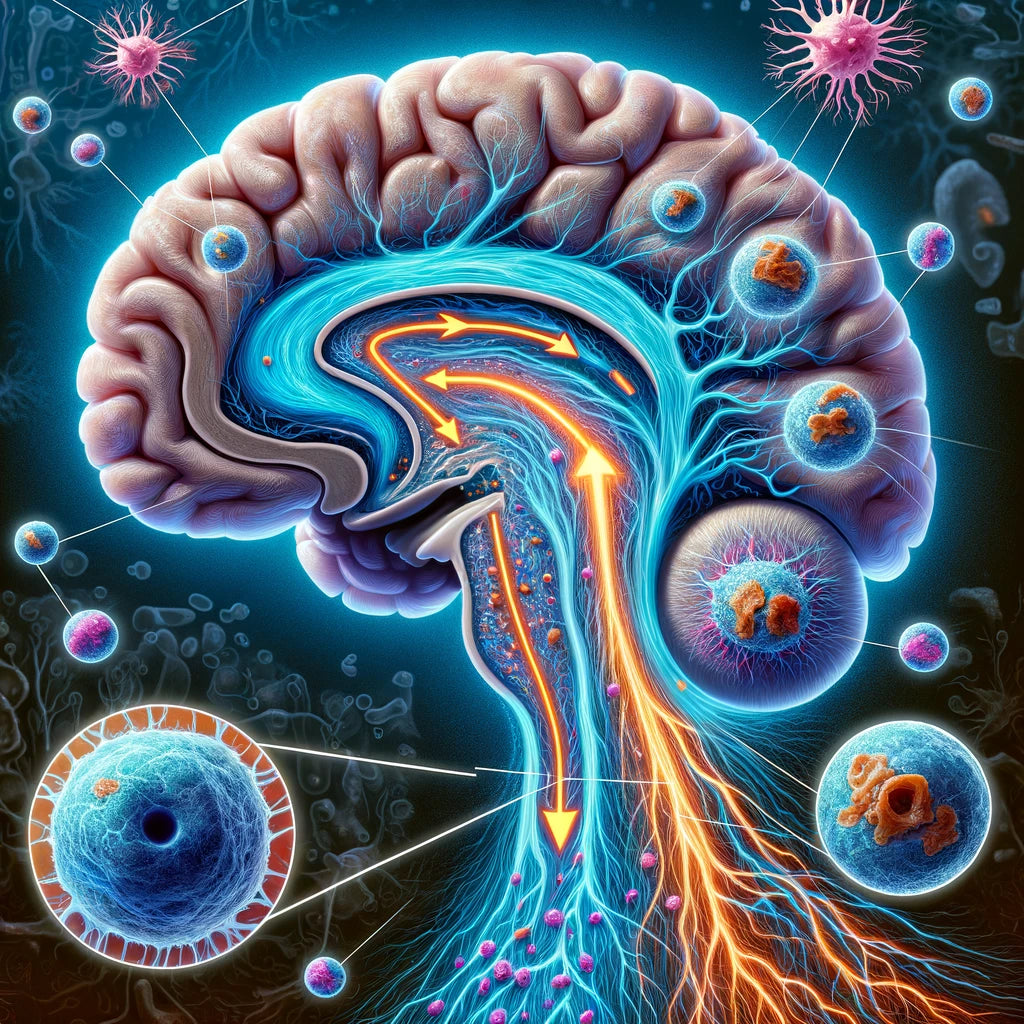
The glymphatic system is an essential component of the body’s waste-clearing mechanism, especially within the brain. It operates like a network of channels that allows cerebrospinal fluid to flush out harmful waste products from brain tissue. Given the importance of maintaining healthy brain function, the glymphatic system's ability to efficiently remove metabolic waste is vital. In recent years, its connection to neurodegenerative diseases, such as Alzheimer’s, Parkinson’s, and other forms of dementia, has become an intense area of research. Understanding how the glymphatic system operates and its potential dysfunction could open up new avenues for treatments targeting brain health.
As we age, the efficiency of this waste-clearing system can decline, contributing to the buildup of proteins and other toxins in the brain. Many neurodegenerative diseases are linked to these accumulations, leading scientists to speculate that an impaired glymphatic system may be a contributing factor. In this article, we’ll explore the function of the glymphatic system, its mechanisms, and how its impairment might be involved in the development of neurodegenerative diseases. We’ll also look into emerging research on therapies aimed at improving glymphatic function to combat brain disorders.