
News
Beyond the Flu: Unmasking the Subtle Signs of Endocarditis
bacterial endocarditis blood cultures cardiac infection Duke Criteria echocardiogram endocarditis endocarditis complications endocarditis diagnosis endocarditis treatment flu-like symptoms heart heart infection heart valve infection infective endocarditis IV antibiotics for endocarditis Janeway lesions Osler nodes Roth spots signs of endocarditis silent endocarditis valve surgery

Imagine fighting off what feels like a stubborn case of the flu—fever, fatigue, aches—only to discover it’s something far more dangerous. Endocarditis, an infection of the heart’s inner lining and valves, can masquerade as a mild illness while silently damaging one of the body’s most vital organs. It’s rare, but when left undetected, it can lead to life-threatening complications like heart failure, stroke, or septicemia.
Unlike the flu, endocarditis doesn’t always wave a red flag. Its symptoms often sneak in slowly, presenting as vague and generalized—until it’s too late. That’s why knowing the subtle signs, risk factors, and pathways to diagnosis and treatment is essential, especially for those with underlying heart conditions or weakened immune systems. This guide uncovers the hidden nature of endocarditis and how you can protect your heart from this stealthy invader.
Metabolic Syndrome Criteria: The 5 Risk Factors You Need to Know
abdominal obesity blood sugar cardiovascular health diabetes prevention elevated glucose HDL cholesterol heart disease high blood pressure high triglycerides insulin resistance low HDL metabolic health metabolic syndrome metabolic syndrome diagnosis prediabetes risk factors supplements for metabolic syndrome triglyceride levels weight loss
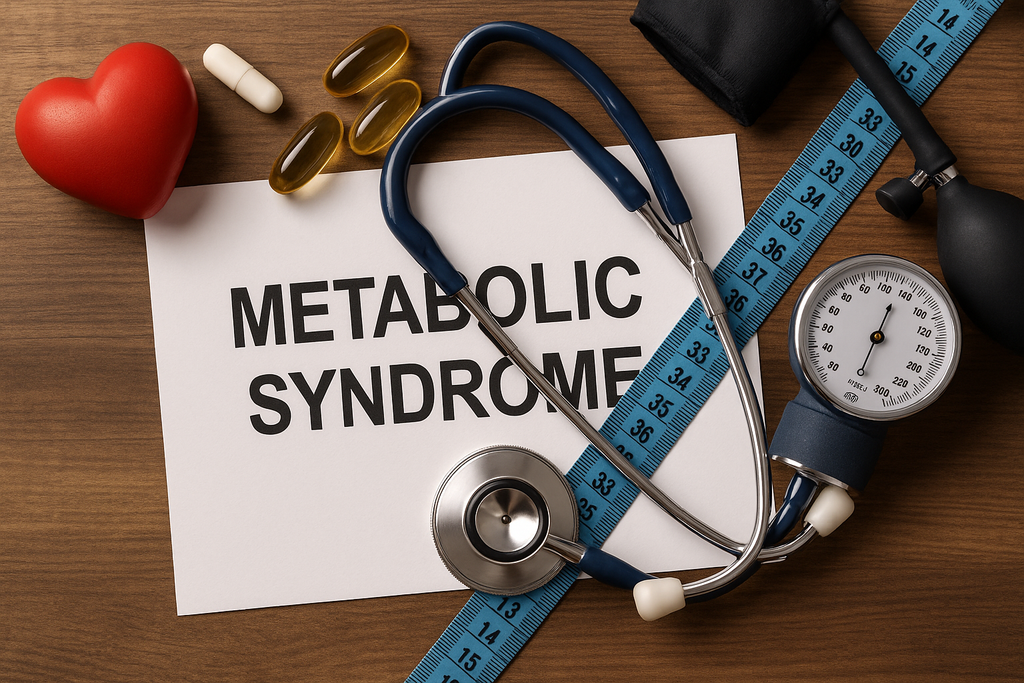
Modern lifestyles have given rise to a cluster of health conditions that are increasingly threatening global health. One of the most insidious among them is metabolic syndrome — a silent but dangerous constellation of risk factors that significantly ups your odds for heart disease, type 2 diabetes, and stroke. It isn’t a disease in itself, but rather a group of conditions that, when occurring together, set the stage for long-term chronic illness.
Understanding the criteria that define metabolic syndrome is the first step in addressing it effectively. If you’ve ever wondered what the specific risk factors are and how they impact your well-being, this guide will break it all down for you. We're going to examine the five hallmark risk factors that clinicians use to diagnose metabolic syndrome and why each of them matters more than you might think.
Beyond Just Cold Hands: Understanding Raynaud’s Disease & How to Manage It
autoimmune disease blood vessel constriction circulation support cold hands and feet cold-induced vasospasm finger color changes fingertip numbness managing Raynaud’s natural remedies for Raynaud’s omega-3 for circulation poor circulation primary Raynaud's Raynaud's disease Raynaud's syndrome Raynaud’s treatment Raynaud’s triggers secondary Raynaud's vascular health vasospasm winter hand care

We’ve all experienced chilly fingers on a cold day—but for people with Raynaud’s disease, cold hands are more than just uncomfortable. They can turn ghostly white, then blue, and finally red as circulation cuts off and painfully returns. This dramatic color change is the hallmark of Raynaud’s, a condition that affects blood flow to certain parts of the body—most commonly the fingers and toes.
Though often dismissed as a nuisance, Raynaud’s can be a sign of an underlying autoimmune disorder or circulatory issue. For others, it exists on its own, still impacting daily comfort and function. Whether mild or linked to more serious conditions, Raynaud’s deserves attention. In this guide, we’ll unpack what causes Raynaud’s, how to tell if you have it, and what steps can help you manage symptoms and protect your circulation.
How is Cushing's Syndrome Diagnosed? Key Tests and Procedures Explained
24-hour urine test ACTH adrenal tumors cortisol excess cortisol testing Cushing’s disease Cushing’s syndrome cyclic Cushing’s dexamethasone suppression diagnosis of Cushing’s endocrine disorders endocrine testing high cortisol hormone imbalance how is Cushing’s diagnosed lab testing for Cushing’s pituitary MRI rare diseases salivary cortisol signs of Cushing’s
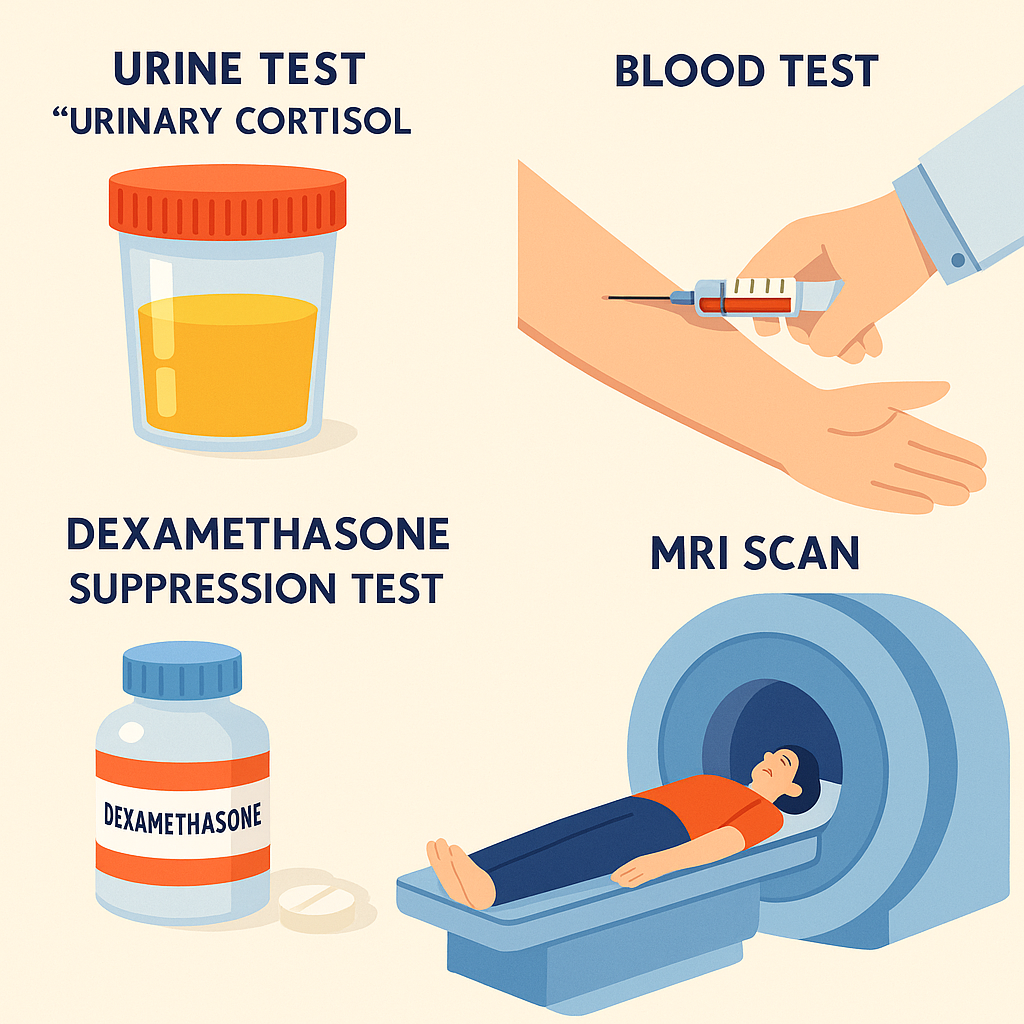
Often mistaken for stress, weight gain, or hormonal shifts, Cushing’s syndrome is a condition that hides in plain sight. Caused by prolonged exposure to high cortisol levels, it can lead to a host of serious health problems if left unchecked. But because many of its symptoms overlap with other disorders, getting a definitive diagnosis isn't always straightforward. That’s where a precise and layered diagnostic approach becomes essential.
Whether you're a healthcare professional, a concerned patient, or simply curious about this elusive endocrine disorder, understanding how Cushing’s syndrome is diagnosed can help demystify the process. From urine and saliva tests to advanced imaging techniques, the journey to uncovering this condition is as much about ruling out what it isn’t as confirming what it is. Let’s walk through the essential diagnostic tools doctors use to zero in on this challenging syndrome.
How is Atrial Fibrillation Diagnosed and Treated?
AFib diagnosis AFib management AFib treatment atrial fibrillation atrial fibrillation symptoms beta blockers for AFib blood thinners cardiac ablation cardioversion catheter ablation ECG electrophysiology heart arrhythmia heart health heart monitoring irregular heartbeat living with AFib silent AFib stroke prevention warfarin alternatives

Your heart skips a beat, flutters in your chest, or races unexpectedly—and suddenly, you’re left wondering if it’s stress… or something more. Atrial fibrillation (AFib), the most common type of arrhythmia, affects millions of people worldwide. It’s not just a quirky heartbeat. Left untreated, AFib can increase the risk of stroke, heart failure, and other complications.
The good news? AFib is manageable. With timely diagnosis and the right treatment plan, many people regain control of their heart rhythm and live full, active lives. This guide takes you through the how and why of AFib diagnosis, treatment options, lifestyle adaptations, and what to expect on the journey to better heart health.