News
The Evolving Threat: Why Bird Flu’s Comeback Matters to Everyone
animal to human transmission avian flu vaccine avian influenza avian influenza human cases biosecurity bird flu bird flu in mammals bird flu outbreak bird flu prevention bird flu symptoms emerging viruses flu virus mutation global health H5N1 HPAI pandemic threat poultry culling virus spillover wildlife disease zoonotic disease
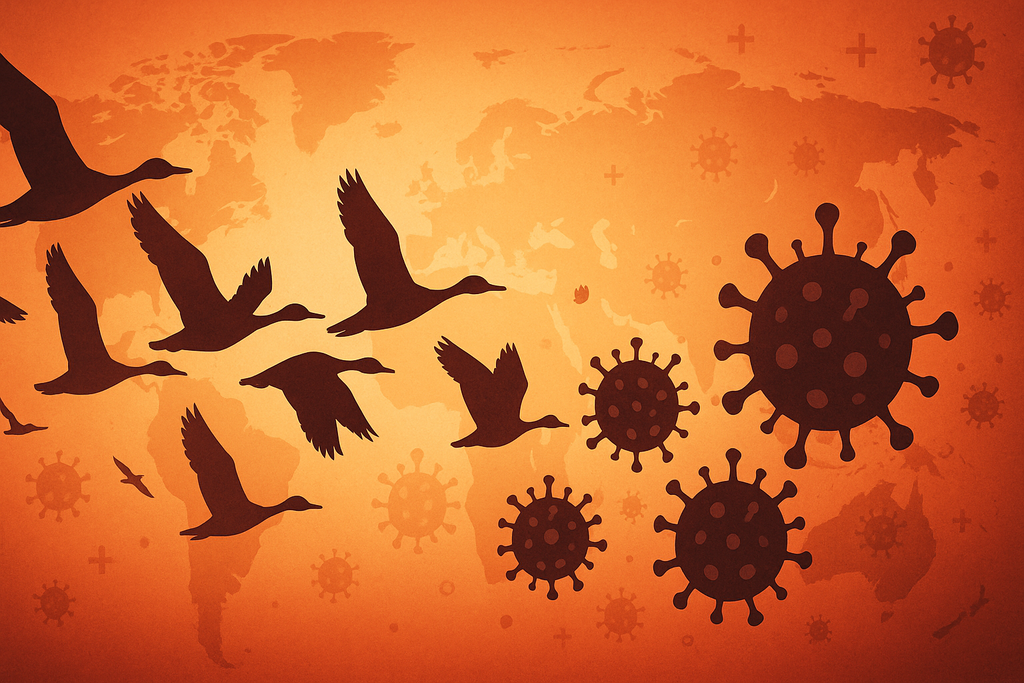
For many, “bird flu” may evoke memories of headlines from the early 2000s—an animal disease with frightening potential but little personal relevance. Yet in recent years, avian influenza has reemerged as a growing public health concern, raising red flags among scientists, farmers, and global health agencies alike. The virus isn’t just mutating—it’s expanding its reach across species lines, sparking fears of another potential pandemic.
As the world becomes increasingly interconnected, zoonotic diseases—those that jump from animals to humans—pose greater risks than ever before. Bird flu, with its high mortality rate and demonstrated ability to infect mammals, deserves our attention. Here's why this evolving threat could impact more than just poultry farms and wildlife sanctuaries—it matters to all of us.
What is Disease X? Understanding Future Pandemic Threats
CEPI climate change and disease Disease X emerging pathogens future pandemics global health strategy global health threat mRNA vaccines One Health pandemic forecasting pandemic preparedness pandemic prevention pandemic risks R&D Blueprint unknown viruses vaccine platforms virus mutation virus surveillance WHO disease list zoonotic diseases
It sounds like the title of a sci-fi thriller—“Disease X”—an unknown virus capable of sparking the next global health crisis. Yet this isn’t fiction. Coined by the World Health Organization (WHO), Disease X is a real-world placeholder for a future pathogen we haven’t yet identified, one that could unleash another pandemic with potentially catastrophic consequences.
Far from fearmongering, the concept of Disease X serves as a wake-up call for global preparedness. As new viruses spill over from animals to humans with increasing frequency, understanding the implications of Disease X is critical. This article explores what Disease X represents, why it matters, and how governments, scientists, and individuals can prepare for what’s next.
What is Tay-Sachs Disease? Genetic Disorder Explained
autosomal recessive carrier screening cherry red spot enzyme deficiency enzyme replacement gene therapy genetic disorders genetic testing GM2 gangliosidosis HEXA gene infantile Tay-Sachs inherited disease late-onset Tay-Sachs lysosomal storage disease neurological disorder rare genetic disease Tay-Sachs Tay-Sachs diagnosis Tay-Sachs disease Tay-Sachs symptoms
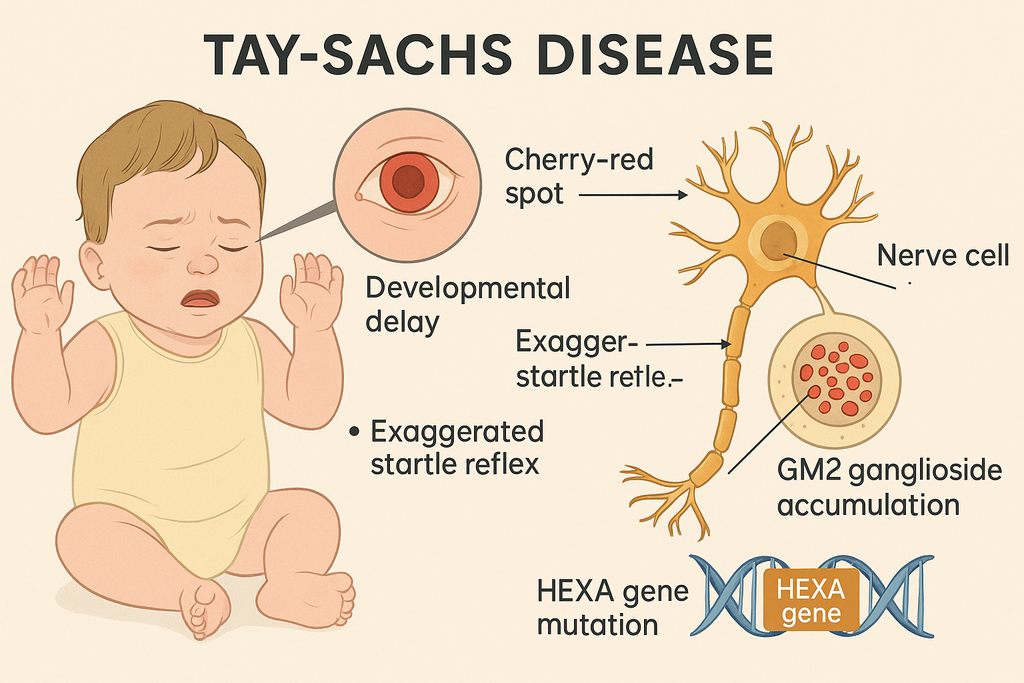
Genetic disorders can be complex and emotionally overwhelming—especially when they strike in infancy. Tay-Sachs disease is one such rare yet devastating condition, marked by relentless neurological decline. Though uncommon, this disorder has taught us much about genetic inheritance, the importance of early screening, and the power of research to bring hope to affected families.
Understanding Tay-Sachs is about more than just memorizing medical facts; it’s about recognizing the human story behind a defective gene. In this article, we’ll walk you through what Tay-Sachs disease is, how it develops, the role of genetics, and what current science offers in terms of diagnosis, care, and future breakthroughs.
The Hidden Clot: Your Essential Guide to Deep Vein Thrombosis
anticoagulants blood clot blood clot prevention blood thinners clot risk factors clotting disorders compression stockings deep vein thrombosis DVT DVT diagnosis DVT in young people DVT symptoms leg cramp leg swelling PE pulmonary embolism travel blood clot ultrasound DVT venous thromboembolism Virchow's triad
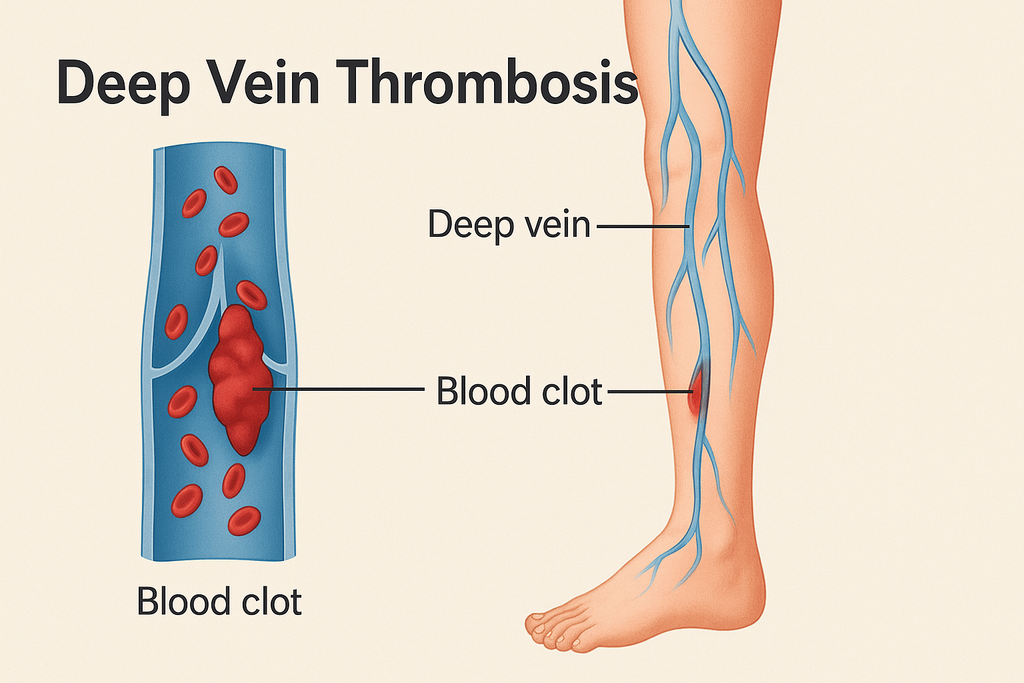
Imagine a silent threat traveling through your veins, forming deep within your body with little warning—yet capable of causing a life-threatening emergency. This is the reality of deep vein thrombosis (DVT), a condition that often remains unnoticed until it strikes. While it may seem like a concern limited to those who are older or immobile, the truth is that DVT can affect people of all ages and lifestyles, particularly in today’s sedentary world.
Deep vein thrombosis isn’t just a clot—it’s a serious vascular event that can lead to pulmonary embolism if left untreated. But with awareness, timely diagnosis, and preventive care, the risks can be significantly minimized. This essential guide explores what DVT is, who’s at risk, how to spot it early, and what steps you can take to stay clot-free.
Types of Cardiomyopathy: Dilated, Hypertrophic, and Restrictive Explained
arrhythmia cardiac conditions cardiac symptoms cardiomyopathy DCM dilated cardiomyopathy echocardiogram genetic heart disease HCM heart disease heart failure heart muscle disease heart treatment hypertrophic cardiomyopathy ICD RCM restrictive cardiomyopathy sudden cardiac death types of cardiomyopathy
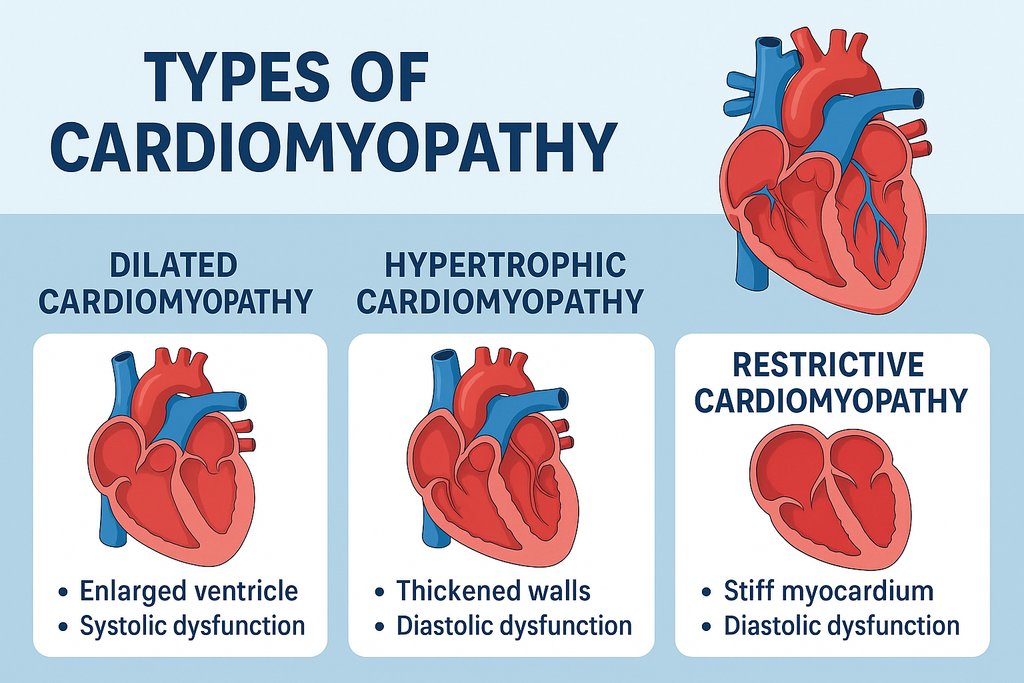
The heart is a powerful muscle, tirelessly working to pump life-giving blood throughout the body. But when that muscle begins to weaken or thicken in abnormal ways, cardiomyopathy may be to blame. This group of heart diseases affects the structure and function of the heart muscle, often leading to serious complications like heart failure, arrhythmias, or sudden cardiac arrest.
Understanding the different types of cardiomyopathy is crucial for both early detection and effective treatment. Each variant—dilated, hypertrophic, and restrictive—presents unique challenges and symptoms. Let’s break down the key differences between these types, explore their causes, symptoms, and management strategies, and help you recognize when to seek medical attention.