
News
Are Grounding Mats a Real Health Hack or Just Pseudoscience?
circadian rhythm cost-benefit analysis earthing electron flow theory EMF skepticism evidence-based wellness expert opinions grounding mats health hack or pseudoscience inflammation reduction myths and misconceptions natural grounding outdoors placebo effect research limitations safety and certification sleep hygiene sleep quality small-scale studies stress and anxiety wellness gadgets

From biohackers to wellness influencers, grounding mats—also called earthing mats—are making waves as the next big health trend. These devices, designed to connect your body to the earth’s electrical field while you sit or sleep indoors, claim to reduce inflammation, improve sleep quality, ease anxiety, and even balance your circadian rhythm. The concept is simple: by restoring the body’s connection to the earth, grounding mats allegedly neutralize free radicals and recalibrate our biological systems.
But are these claims scientifically sound, or are grounding mats just another shiny gadget in the ever-expanding wellness market? While proponents point to studies on inflammation, stress, and sleep, skeptics argue the evidence is sparse, inconsistent, and sometimes funded by the very companies that sell these products. This article takes a critical look at grounding mats, unpacking the theory behind them, the current body of research, and whether they’re worth your time—or just pseudoscience dressed up as a health hack.
The Role of Bitter Foods in Digestive Enzyme Production
appetite regulation arugula bile secretion bitter foods bitter taste receptors bitters and digestion culinary uses of bitters dandelion greens detoxification digestive bitters digestive enzyme production gentian root gut health herbal bitters kale microbiome support natural digestion support nutrient absorption pancreatic enzymes stomach acid stimulation

From leafy greens like arugula and dandelion to herbal favorites such as gentian root, bitter foods have long held a place in traditional diets and healing practices. Yet in today’s world of sweet and salty flavors, bitterness is often overlooked—even avoided. What many don’t realize is that bitter compounds do far more than challenge the palate: they play a critical role in stimulating digestive function.
One of the most fascinating aspects of bitter foods is their influence on digestive enzyme production. By activating bitter taste receptors not just on the tongue but also throughout the gastrointestinal tract, these foods can signal the body to release saliva, gastric juices, bile, and pancreatic enzymes—all essential for breaking down food efficiently. This article explores how bitter foods enhance digestive enzyme production, why that matters for gut health, and how to reintroduce them into a modern diet that has largely sidelined this powerful flavor profile.
Is Shungite Water a Scam? The Science and the Myths
carbon adsorption detox water facts EMF protection myths filtration vs purification fullerene antioxidants geology and wellness holistic water remedies Karelia shungite mineral water health claims natural water purifier placebo effect wellness pseudoscience in wellness Russian shungite shungite folklore shungite scam shungite science shungite water water filtration water purification stones wellness trend review
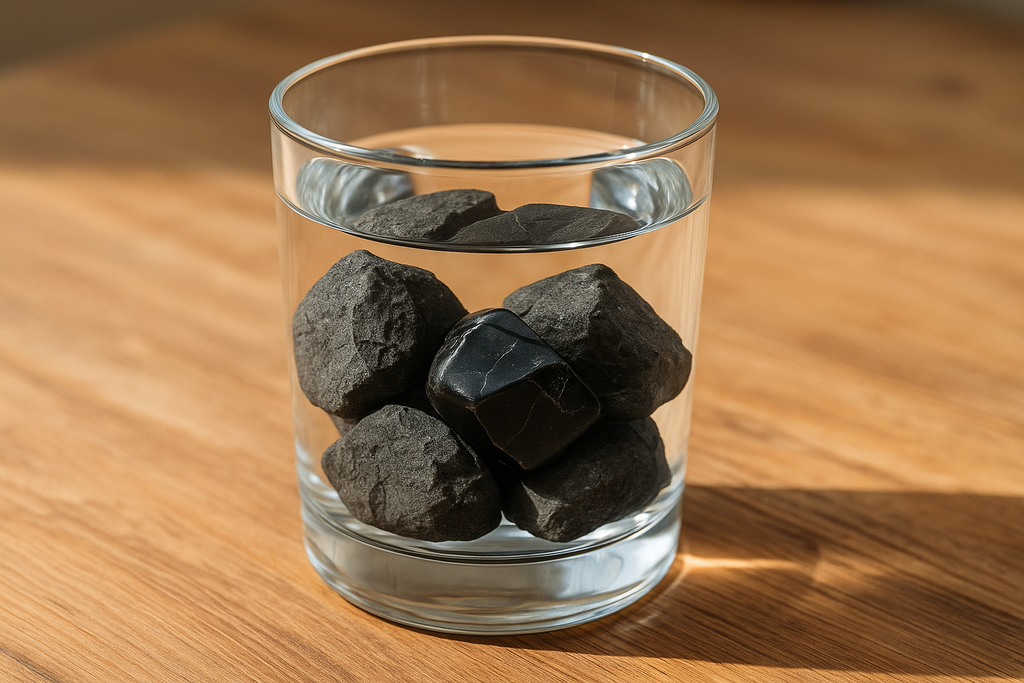
From crystal-infused elixirs to copper water bottles, the wellness world has no shortage of health trends promising vitality and balance. Among them, shungite water has captured attention with claims of detoxification, antioxidant power, and even protection from electromagnetic fields (EMFs). Made by infusing water with shungite—a black, carbon-rich stone found primarily in Russia—this practice is often marketed as a centuries-old remedy backed by mysterious “energy” properties.
But how much of the hype is grounded in real science, and how much is wishful thinking? While shungite is a legitimate mineral with unique characteristics, including its fullerene content and adsorptive properties, the leap from geological fact to sweeping health promises is where skepticism enters. In this article, we’ll explore the origins of shungite water, the research (and lack thereof) on its effects, and separate the plausible benefits from the persistent myths.
The Role of Pre-Sleep Protein in Overnight Muscle Repair
amino acid availability anabolic window bedtime protein bedtime snack for athletes body composition casein protein digestion rate endurance recovery lean mass retention micellar casein muscle protein synthesis older adults muscle overnight muscle repair practical sports nutrition pre-sleep protein prevent muscle breakdown protein timing sarcopenia prevention sleep and recovery strength training recovery whey vs casein

While most of the body rests during sleep, muscle tissue remains metabolically active, carrying out repair, growth, and adaptation processes triggered by daily activity. For athletes, fitness enthusiasts, and even those focused on healthy aging, the overnight window presents an often-overlooked opportunity to support muscle recovery. One emerging strategy? Consuming a targeted dose of protein before bedtime.
Recent research has challenged the old belief that eating before bed is detrimental, particularly when it comes to muscle health. Studies suggest that pre-sleep protein can enhance overnight muscle protein synthesis, improve recovery from exercise, and even support lean mass retention during weight loss. This article explores the science behind pre-sleep protein, the best types to choose, and how to optimize intake for maximum repair and growth while you sleep.
The Role of Magnesium in Migraine Prevention: An Evidence-Based Review
bioavailability cortical spreading depression dietary magnesium sources elemental magnesium dosage headache disorders integrative migraine care magnesium citrate magnesium deficiency magnesium for migraines magnesium glycinate migraine prevention migraine prophylaxis migraine triggers neuroinflammation neurological health NMDA receptors patient-centered prevention randomized controlled trials riboflavin CoQ10 serotonin regulation vascular tone

Migraines are more than just headaches—they’re complex neurological events that can disrupt daily life with intense pain, visual disturbances, nausea, and sensitivity to light and sound. Affecting over one billion people worldwide, migraines remain one of the leading causes of disability. While treatment often focuses on managing acute attacks, growing research suggests that prevention—particularly through addressing nutritional deficiencies—may be an equally important strategy.
Magnesium, an essential mineral involved in over 300 biochemical reactions in the body, has emerged as a promising player in migraine prevention. From regulating nerve signaling to stabilizing blood vessels, magnesium’s physiological roles intersect directly with processes implicated in migraine attacks. This evidence-based review examines the research behind magnesium supplementation for migraine prevention, the proposed mechanisms of action, and practical considerations for its use.