
News
The Science Behind Lutein & Zeaxanthin for Screen-Induced Eye Fatigue
antioxidant for eyes blue light protection carotenoids eye health digital eye strain digital wellness eye health nutrients how to protect eyes from blue light lutein and zeaxanthin lutein dosage for eye health lutein eye benefits lutein for eyes macular pigment natural eye supplements natural vision support protect eyes from screens reduce eye fatigue screen fatigue relief visual performance zeaxanthin for screen time zeaxanthin supplement
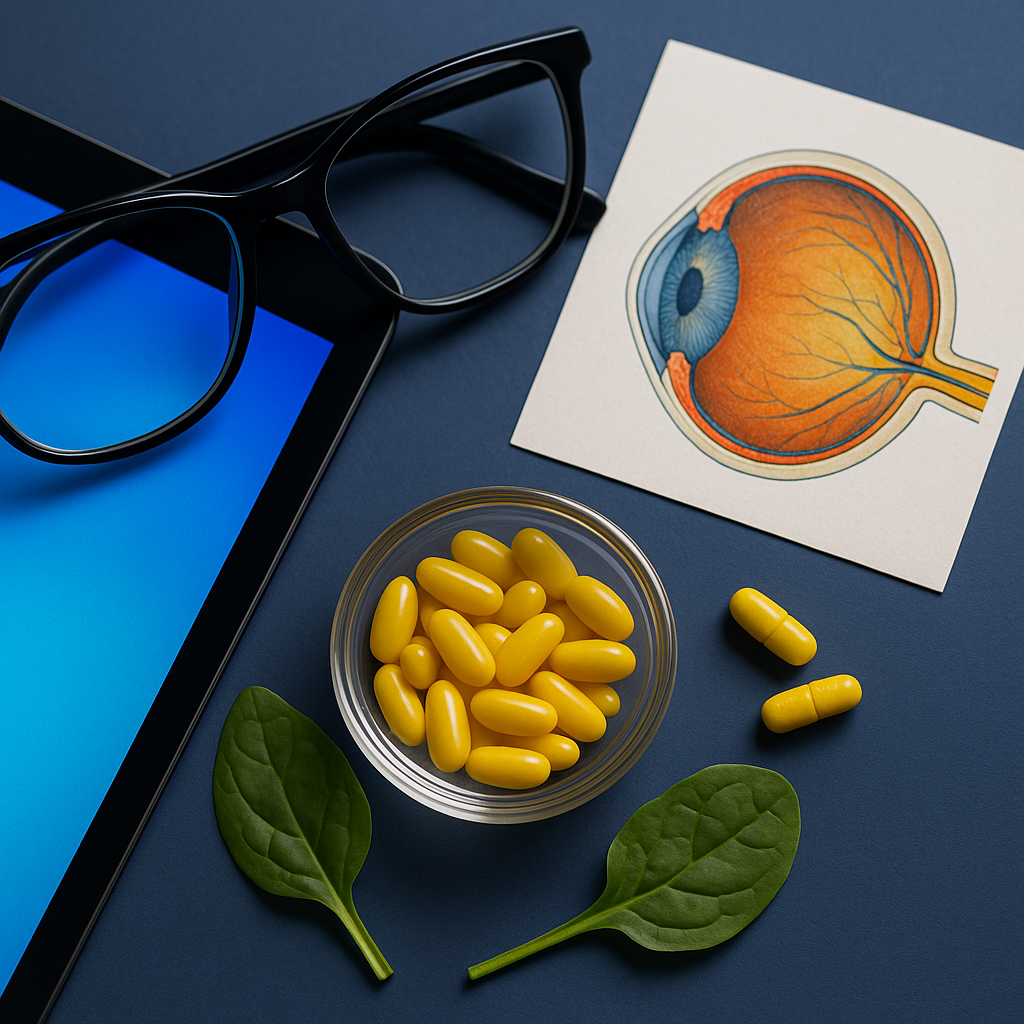
From smartphones and tablets to laptops and LED monitors, modern life is illuminated by screens. While our digital world offers convenience, it also brings an unintended consequence—digital eye strain. Common symptoms include dryness, blurred vision, fatigue, and headaches, affecting people of all ages. With screen time steadily increasing, many are seeking natural ways to protect their eyes, and that’s where lutein and zeaxanthin come in.
These two powerhouse carotenoids are often associated with long-term eye health, but their benefits go far beyond preventing age-related conditions. Emerging research now shows that lutein and zeaxanthin may offer relief from the daily discomfort of digital eye strain. Let’s explore how these natural pigments work, what the science says, and how to incorporate them into your screen-centric lifestyle.
Papaya Leaf Extract for Platelet Support – Natural Immunity Booster
antiviral herbs carica papaya dengue fever relief dengue natural remedy herbal platelet booster herbal remedy immune system support natural blood health natural immune booster natural supplements papain benefits papaya juice benefits papaya leaf capsules papaya leaf extract papaya leaf for dengue plant-based supplement platelet support supplement raise platelet count thrombocytopenia support traditional medicine
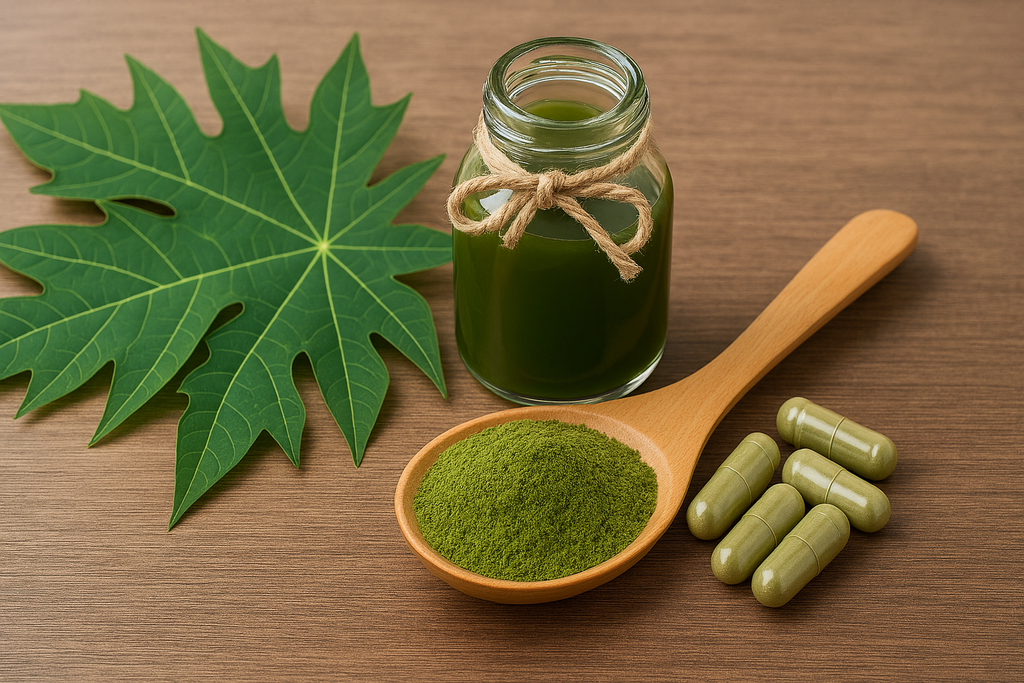
When your body needs an immune boost or platelet support, turning to nature might be more effective than you think. One of the most promising botanical remedies gaining attention in recent years is papaya leaf extract. Traditionally used in Ayurvedic and other Eastern medicine systems, this tropical leaf has recently found its place in modern wellness conversations, especially due to its potential to naturally raise platelet levels.
From supporting immune response to possibly improving recovery during viral illnesses, papaya leaf extract has become a go-to supplement for many health enthusiasts. Backed by emerging research and centuries of anecdotal use, it's not just hype—it's a testament to nature's ability to support the body in times of need. If you're curious about how this leafy green powerhouse works, you're in the right place. Let's explore what makes papaya leaf extract a standout supplement for platelet support.
The Nutritional Power of Sprouted Grains for Digestive Wellness
benefits of sprouted grains bloating relief digestive health enzyme-rich grains fiber-rich foods gluten sensitivity diet grain nutrition gut wellness microbiome support natural digestion aid nutrient absorption phytic acid reduction plant-based gut health prebiotic foods sprouted brown rice sprouted foods sprouted grains sprouted quinoa sprouted wheat whole grain benefits
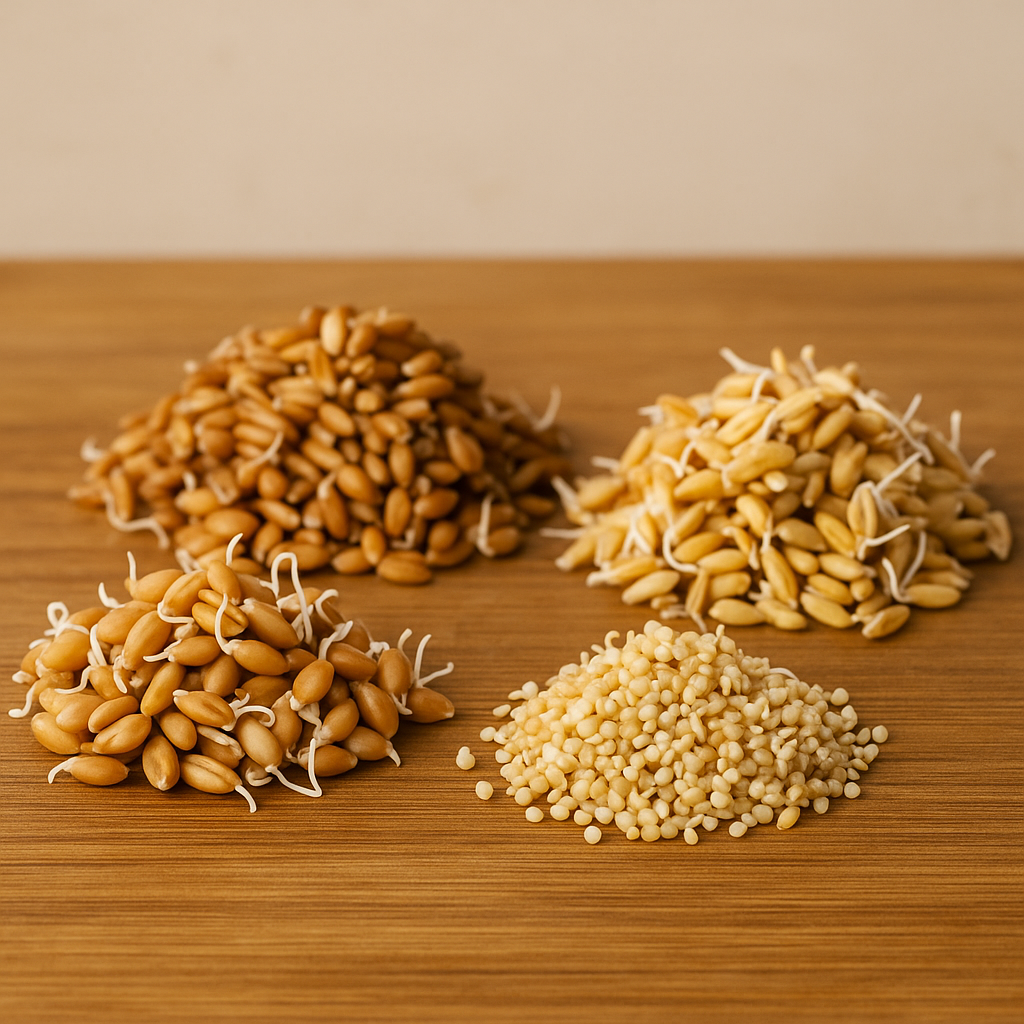
In recent years, sprouted grains have stepped into the spotlight as a game-changing addition to a gut-friendly diet. Once a niche favorite of health food enthusiasts, these grains are now found in everything from bread and cereals to protein bars and supplements. What makes them stand out? It’s all about what happens during the sprouting process—a natural transformation that boosts nutrient availability and enhances digestibility.
As digestive wellness becomes a top priority for more people, sprouted grains are earning a reputation as the real MVPs of gut health. By unlocking enzymes, breaking down antinutrients, and making nutrients easier to absorb, sprouting turns ordinary whole grains into nutritional powerhouses. Whether you struggle with bloating, poor absorption, or simply want to eat more efficiently, sprouted grains might be the missing piece in your wellness puzzle.
Amino Acids for Sleep: The Science Behind Glycine, Tryptophan & GABA
amino acid supplement amino acids and circadian rhythm amino acids for sleep best time to take amino acids GABA glycine tryptophan sleep stack GABA sleep aid GABA supplement safety glycine sleep benefits glycine vs melatonin holistic sleep aid how tryptophan helps sleep natural sleep supplements non-habit forming sleep aids restful sleep naturally safe sleep supplement serotonin and sleep sleep neurotransmitters sleep without melatonin tryptophan for insomnia
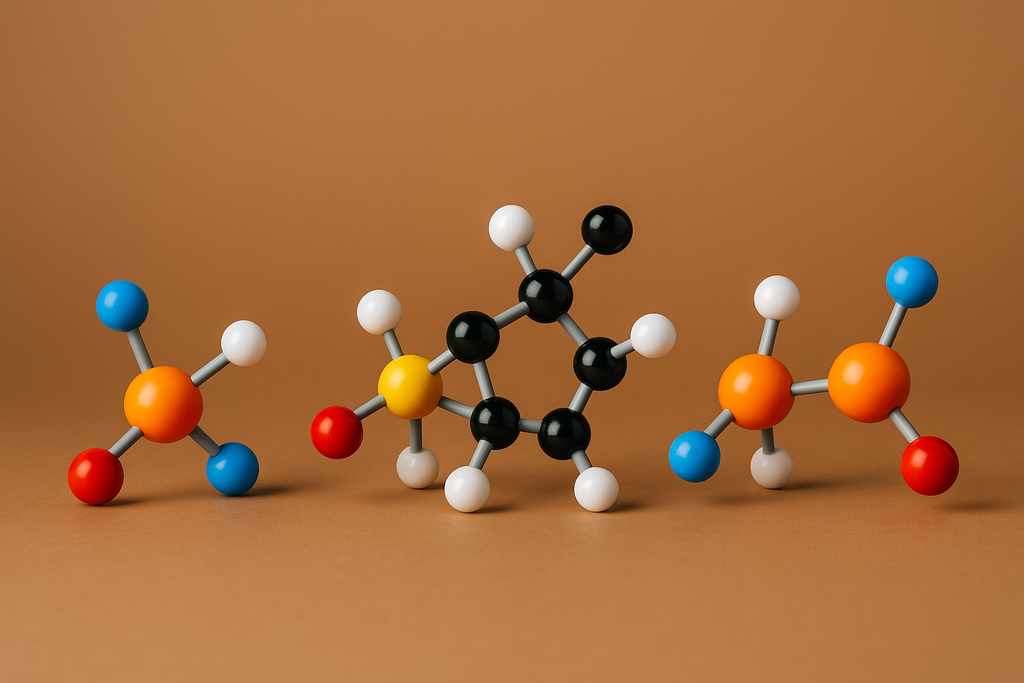
Sleep isn’t just a nightly ritual—it's the foundation of recovery, mental clarity, and long-term health. Yet, for millions of people, quality rest feels just out of reach. While melatonin often gets the spotlight, a lesser-known group of natural compounds may be the missing link: amino acids. Specifically, glycine, tryptophan, and GABA have gained traction in sleep research for their unique effects on relaxation and neurotransmitter function.
These amino acids don’t simply knock you out—they work with your body's internal systems to promote deeper, more restorative sleep. Whether you’re dealing with trouble falling asleep, frequent wakeups, or poor sleep quality, understanding the science behind these amino acids can help you create a more effective, natural approach to sleep health. Let's explore how glycine, tryptophan, and GABA could help you finally get the rest your body craves.
Lion’s Mane Mushroom and Nerve Regeneration: What the Research Reveals
Alzheimer’s natural support brain plasticity cognitive health erinacines hericenones Lion’s Mane mushroom medicinal mushrooms memory support mushroom supplements mycelium vs fruiting body natural nootropics nerve regeneration nerve repair neurodegenerative disease neurogenesis neuropathy support neuroprotection neurotrophic factors NGF stimulation Parkinson’s mushroom research
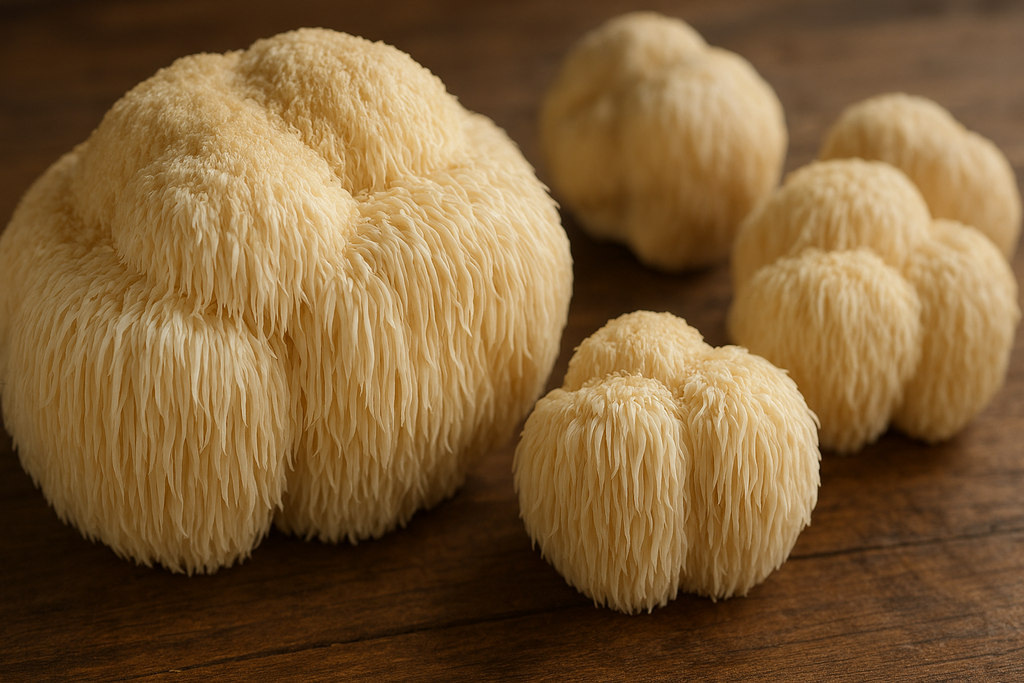
In the world of medicinal mushrooms, Lion’s Mane (Hericium erinaceus) has carved out a reputation not just as a culinary delicacy but as a powerful brain and nerve tonic. Known for its cascading white spines that resemble a lion’s mane, this mushroom has been used in traditional Chinese and Japanese medicine for centuries to support cognitive health, digestion, and vitality.
Modern science has taken particular interest in Lion’s Mane because of its potential role in nerve regeneration. Compounds found in the mushroom, such as hericenones and erinacines, appear to stimulate nerve growth factor (NGF), a protein essential for the growth and repair of neurons. With neurodegenerative diseases and cognitive decline on the rise, the possibility that a natural food could support nerve repair is nothing short of captivating. In this article, we’ll dive into the research on Lion’s Mane and nerve regeneration, explore the evidence behind its claims, and separate scientific promise from speculation.