
News
Debunking Detox Myths: How Your Body Naturally Cleanses Itself
detox myths detox teas detoxification gut health healthy diet hydration juice cleanses kidney health liver function natural detox

Detox diets and cleanses have gained popularity in recent years, promising to flush out toxins, boost energy, and improve health. However, the reality is that your body already has a powerful detoxification system in place.
The liver, kidneys, lungs, skin, and digestive system work together 24/7 to remove harmful substances. While a healthy diet and lifestyle support these processes, extreme detox programs are often unnecessary—and sometimes even harmful. This article will debunk common detox myths and explain how your body naturally cleanses itself.
The Role of Diet in ADHD: Why Omega-3 Fatty Acids Matter
ADHD and nutrition ADHD brain health ADHD diet ADHD in children ADHD management ADHD natural remedies ADHD supplements ADHD treatment best foods for ADHD best supplements for ADHD cognitive function DHA for brain fatty acids fish oil for ADHD focus improvement omega-3 benefits omega-3 deficiency omega-3 for ADHD

Attention-deficit/hyperactivity disorder (ADHD) affects millions of children and adults worldwide, making concentration, impulse control, and organization challenging. While genetics and environmental factors play a role in its development, growing research suggests that diet plays a significant part in managing ADHD symptoms. Among the most critical nutrients for brain function, omega-3 fatty acids stand out as essential for those dealing with ADHD.
Omega-3s are known for their role in brain development, cognitive function, and mood regulation. A deficiency in these essential fats has been linked to increased ADHD symptoms, making them a key area of focus for dietary intervention. But how exactly do omega-3s help, and what foods or supplements provide the best sources? This article explores the role of omega-3 fatty acids in ADHD and how optimizing intake can support better mental function.
Don't Wait for Problems: The Importance of Regular Eye Exams
blue light children's eye exams contact lenses vs glasses digital eye strain eye care eye doctor eye exams eye health tips glaucoma macular degeneration optometrist senior eye health UV protection for eyes vision check vision health
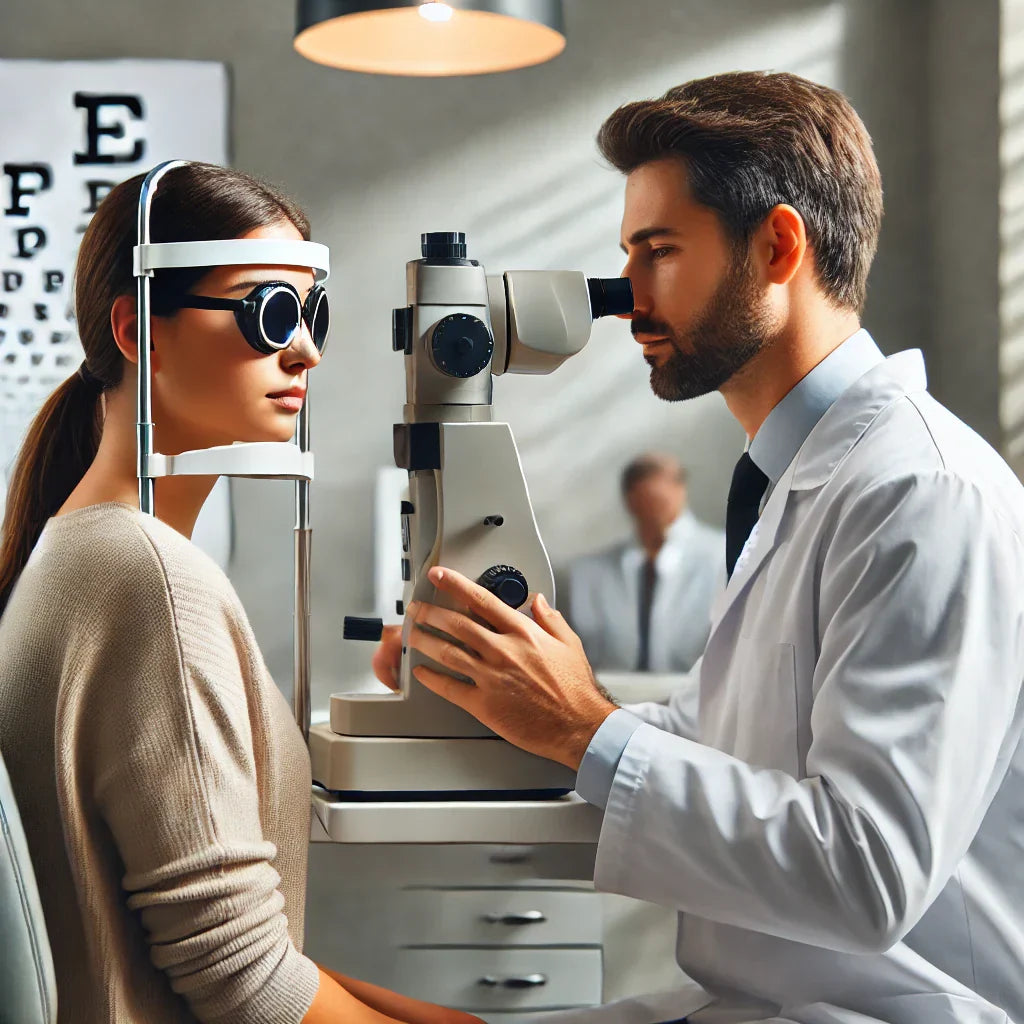
Many people take their vision for granted until they start experiencing problems. However, waiting until issues arise can often mean it's too late to prevent serious conditions like glaucoma, macular degeneration, or diabetic retinopathy. Regular eye exams are not just about getting a new prescription for glasses or contacts; they are essential for detecting early signs of diseases that could lead to permanent vision loss.
Beyond eye health, routine checkups can also reveal underlying systemic health problems such as high blood pressure or diabetes. Whether you have perfect vision or wear corrective lenses, scheduling an eye exam should be part of your regular healthcare routine. This article explores the importance of eye exams, what they can detect, and how often you should get checked to maintain optimal eye health.
Overcoming Perfectionism: How to Stop Procrastinating and Achieve Your Goals
goal setting motivation overcoming perfectionism perfectionism personal growth procrastination productivity self-improvement success mindset time management

Do you find yourself constantly delaying tasks because they don’t feel "perfect" yet? Are you setting impossibly high standards that leave you feeling frustrated and unproductive? If so, you may be struggling with perfectionism—a mindset that often leads to procrastination, stress, and missed opportunities.
While striving for excellence is admirable, perfectionism can hold you back from taking action and achieving your goals. The good news is that you can break free from this cycle. By understanding the link between perfectionism and procrastination, you can develop healthier habits that boost productivity and confidence. This article explores how to overcome perfectionism and start making progress toward your dreams.
Navigating the Digital Age: Technology's Impact on Mental Well-being
digital age digital detox digital wellness mental health tips mental well-being online stress screen time social media impact tech addiction technology and mental health
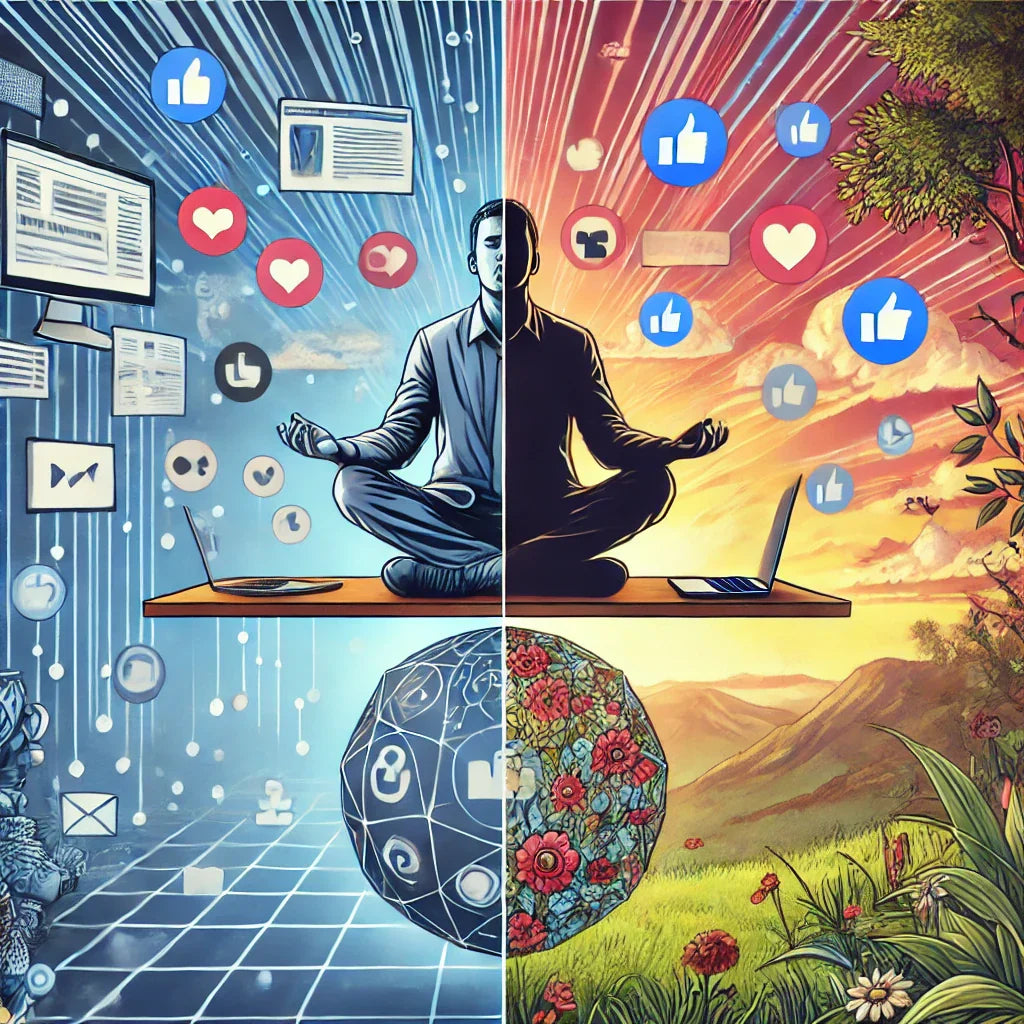
Technology has become an inseparable part of modern life, shaping the way we communicate, work, and entertain ourselves. From social media to instant messaging and digital workplaces, the digital revolution has brought convenience and connectivity. However, this constant exposure to technology also has profound effects on mental well-being.
While technology offers numerous benefits, excessive screen time, social media overuse, and digital overload can contribute to anxiety, depression, and stress. This article explores both the positive and negative impacts of technology on mental health and provides actionable strategies to maintain a healthy balance in the digital age.