
News
Recognizing Osteosarcoma: Early Detection Saves Lives
bone cancer bone tumor cancer awareness cancer symptoms childhood cancer early detection oncology osteosarcoma osteosarcoma treatment sarcoma
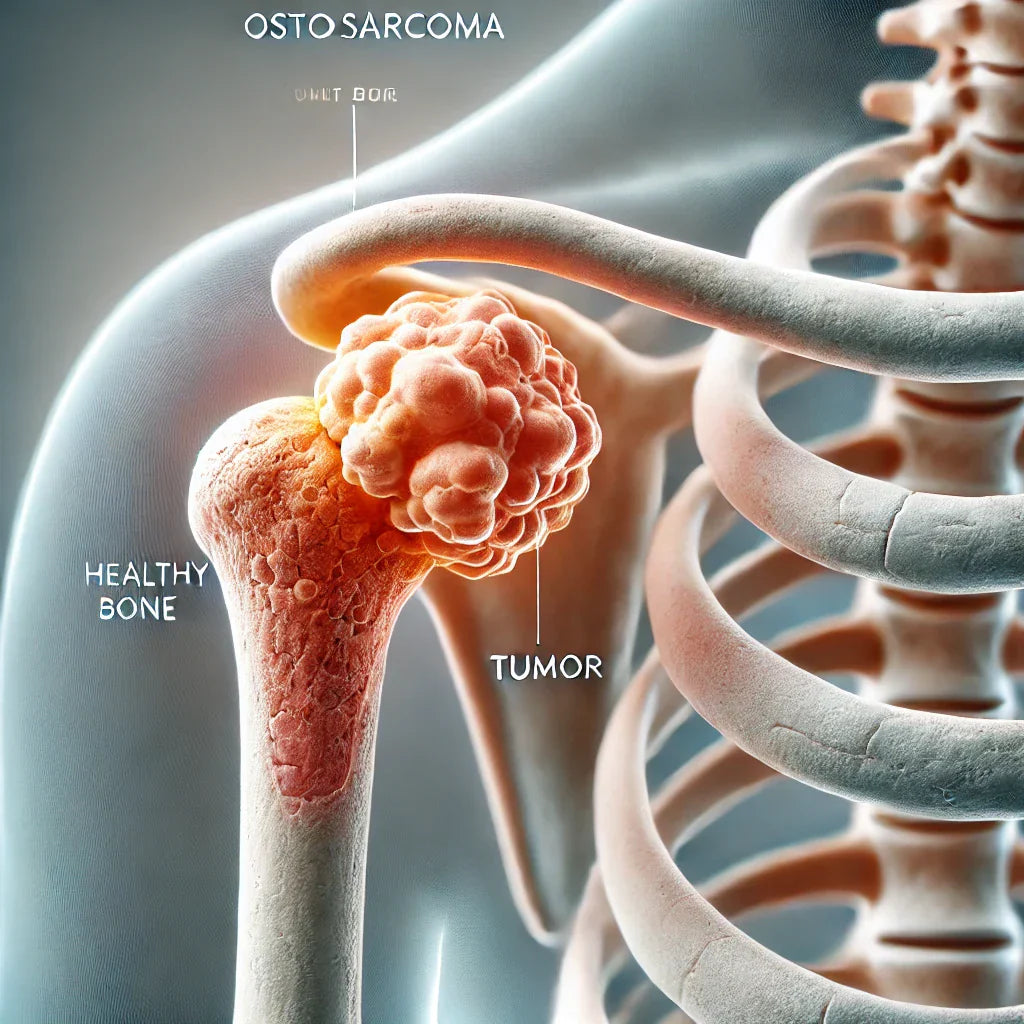
Osteosarcoma is the most common type of bone cancer, primarily affecting children, teenagers, and young adults. It often begins in the long bones, such as the femur (thigh bone), tibia (shin bone), or humerus (upper arm bone). While rare, this aggressive cancer requires early detection for the best chance of successful treatment.
Recognizing osteosarcoma symptoms early can significantly improve survival rates. Since early signs may mimic common bone injuries or growing pains, it’s crucial to understand the warning signals and seek medical evaluation if symptoms persist. This article explores the causes, symptoms, risk factors, and treatment options for osteosarcoma.
Adjustment Disorder vs. Depression: Understanding the Differences
adjustment disorder anxiety coping mechanisms depression emotional well-being mental health mood disorders psychology stress therapy
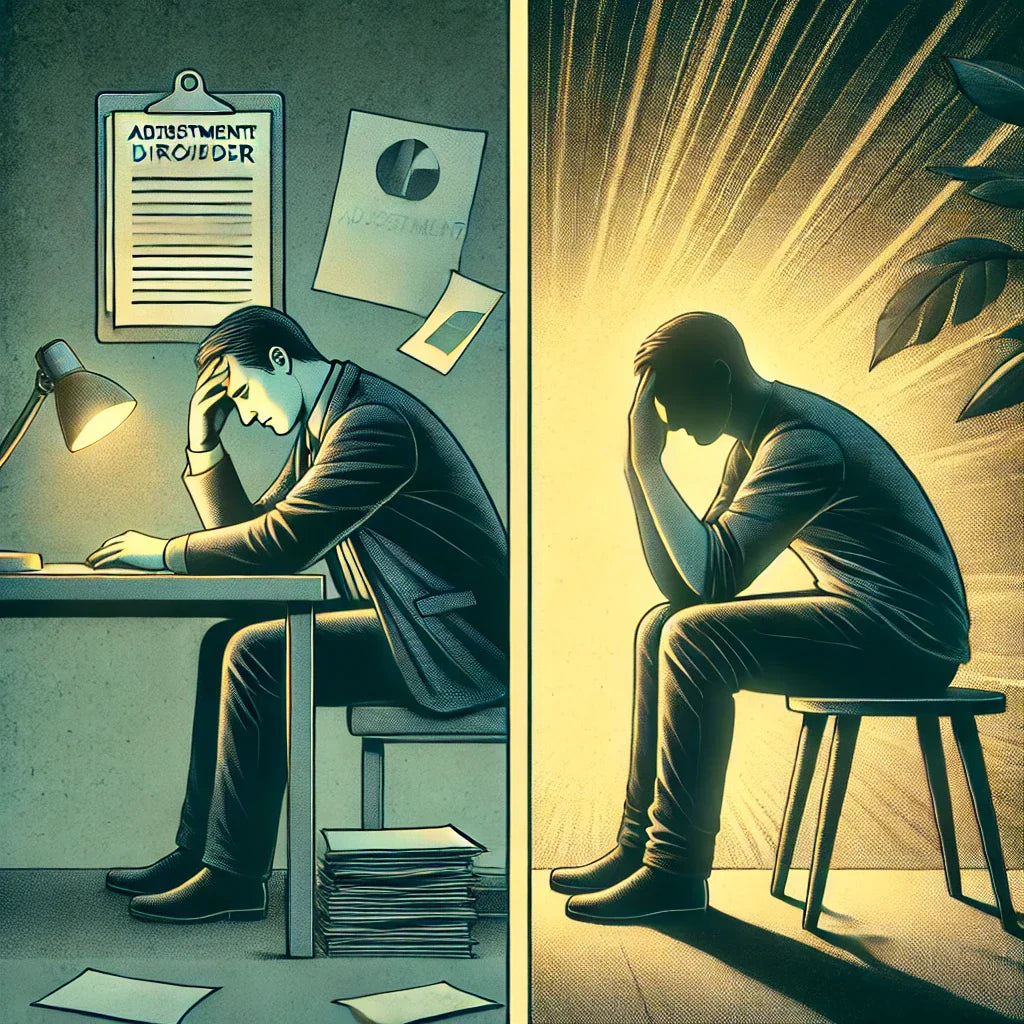
Life is full of challenges, and at times, significant stressors can affect our mental health. However, not all emotional struggles indicate clinical depression. Some individuals experience **adjustment disorder**, a temporary condition triggered by a stressful life event, while others may develop **major depressive disorder (MDD)**, a long-term mental health condition.
Because the symptoms of adjustment disorder and depression can overlap, it’s crucial to understand their differences. Recognizing these distinctions can lead to appropriate treatment and improved mental well-being. This article will explore the causes, symptoms, diagnosis, and treatment options for both conditions.
The Science of Sound Healing: Reducing Stress and Anxiety with Sound Therapy
anxiety reduction healing frequencies holistic health meditation music therapy relaxation sound healing sound therapy stress relief vibrational healing

Sound is a powerful force that influences our emotions, thoughts, and even physical well-being. Whether it’s the soothing rhythm of ocean waves, the calming hum of a meditation bowl, or an uplifting melody, sound has the ability to shift our mental and emotional state. Sound healing, an ancient practice now backed by modern science, is gaining popularity as a natural way to reduce stress and anxiety.
By using specific frequencies and vibrations, sound therapy helps align the body and mind, promoting relaxation and emotional balance. This article explores the science behind sound healing, how it affects the brain and body, and how you can incorporate it into your daily routine for better mental health.
Recognizing a Stroke: The Importance of the FAST Test
brain attack FAST test health emergency recognizing a stroke signs of stroke stroke awareness stroke first aid stroke prevention stroke symptoms stroke treatment

Every second counts when it comes to a stroke. A stroke occurs when blood flow to the brain is interrupted, leading to potentially severe brain damage or even death. Immediate recognition and treatment can make the difference between life and long-term disability.
One of the easiest and most effective ways to recognize a stroke is the FAST test. This simple acronym—Face, Arms, Speech, and Time—can help anyone quickly identify stroke symptoms and take immediate action. This article will explore what the FAST test is, why it’s crucial, and what to do if you suspect someone is having a stroke.
The Power of Deep Sleep: Why It's Crucial for Your Well-being
benefits of sleep deep sleep deep sleep health deep sleep science importance of sleep restful sleep sleep and recovery sleep cycles sleep tips sleep well-being

Sleep is one of the most critical pillars of health, yet it is often the most neglected. Within the realm of sleep, deep sleep stands out as a key phase where much of the restorative magic happens. Deep sleep is not just about resting your body; it is essential for cognitive function, emotional health, and physical recovery.
Despite its importance, many people struggle to achieve adequate deep sleep due to busy lifestyles, stress, or poor sleep habits. This article explores the science of deep sleep, its profound impact on well-being, and actionable strategies to help you unlock its full potential.