
News
Lab-Grown Nutrients: The Future of Sustainable Superfoods
bioidentical vitamins biotechnology in food cell-based nutrients clean label supplements cultured proteins eco-friendly supplements ethical nutrition fermentation vitamins food sustainability food tech future of food lab-grown minerals lab-grown nutrients lab-grown vitamins nutrient bioavailability personalized nutrition precision nutrition sustainable superfoods synthetic nutrition vegan vitamins
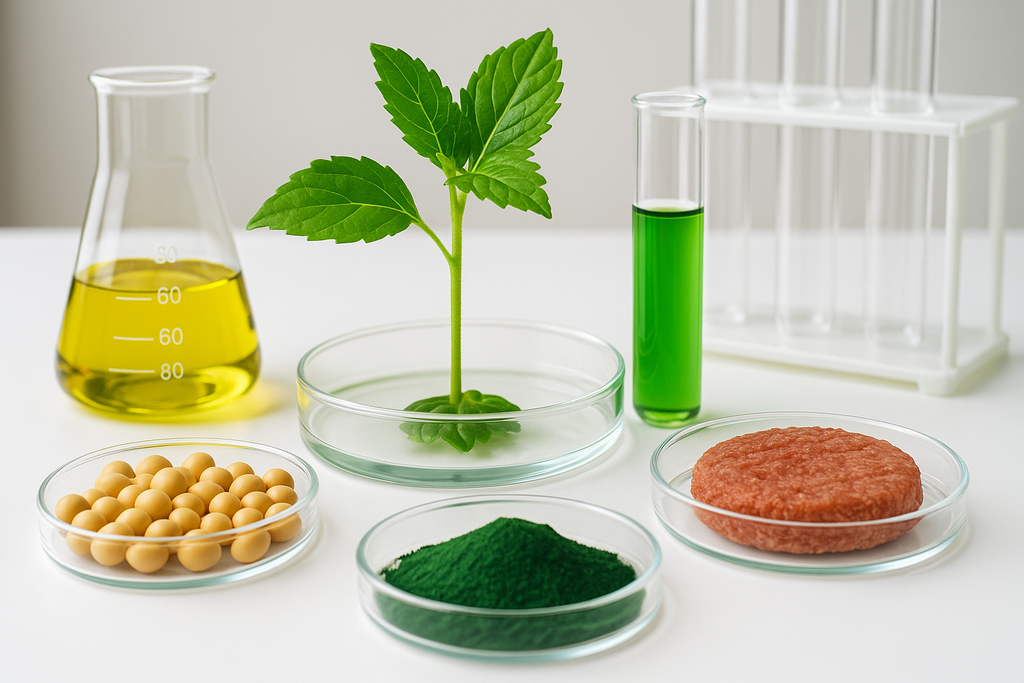
In an age of climate change, food insecurity, and population growth, scientists and innovators are looking to laboratories—not just farms—for the next generation of nutrition. Enter lab-grown nutrients: bioidentical vitamins, minerals, proteins, and phytonutrients produced through advanced biotechnology, fermentation, and cellular agriculture. These lab-grown compounds are gaining attention not only for their purity and consistency but also for their promise in building a more sustainable and resilient food system.
Lab-grown nutrients represent a seismic shift in how we think about food and supplements. Instead of extracting nutrients from soil-depleted crops or overharvested plants, we can now produce them precisely and efficiently in controlled environments. Whether it's lab-grown vitamin B12, algae-based omega-3s, or cultured antioxidant compounds, these innovations have the potential to feed the planet, fortify diets, and reduce environmental impact—all while delivering potent health benefits.
Is It Bad to Sit Cross-Legged? Posture, Circulation & Joint Health Explained
anti-inflammatory support back pain best sitting position circulation and sitting CurcuPEA+ ergonomics hip health is it bad to sit cross-legged joint pain from sitting joint supplement knee strain longlife nutri nerve health palmitoylethanolamide posture habits sitting cross-legged sitting floor vs chair sitting positions turmeric for joints turmeric PEA supplement
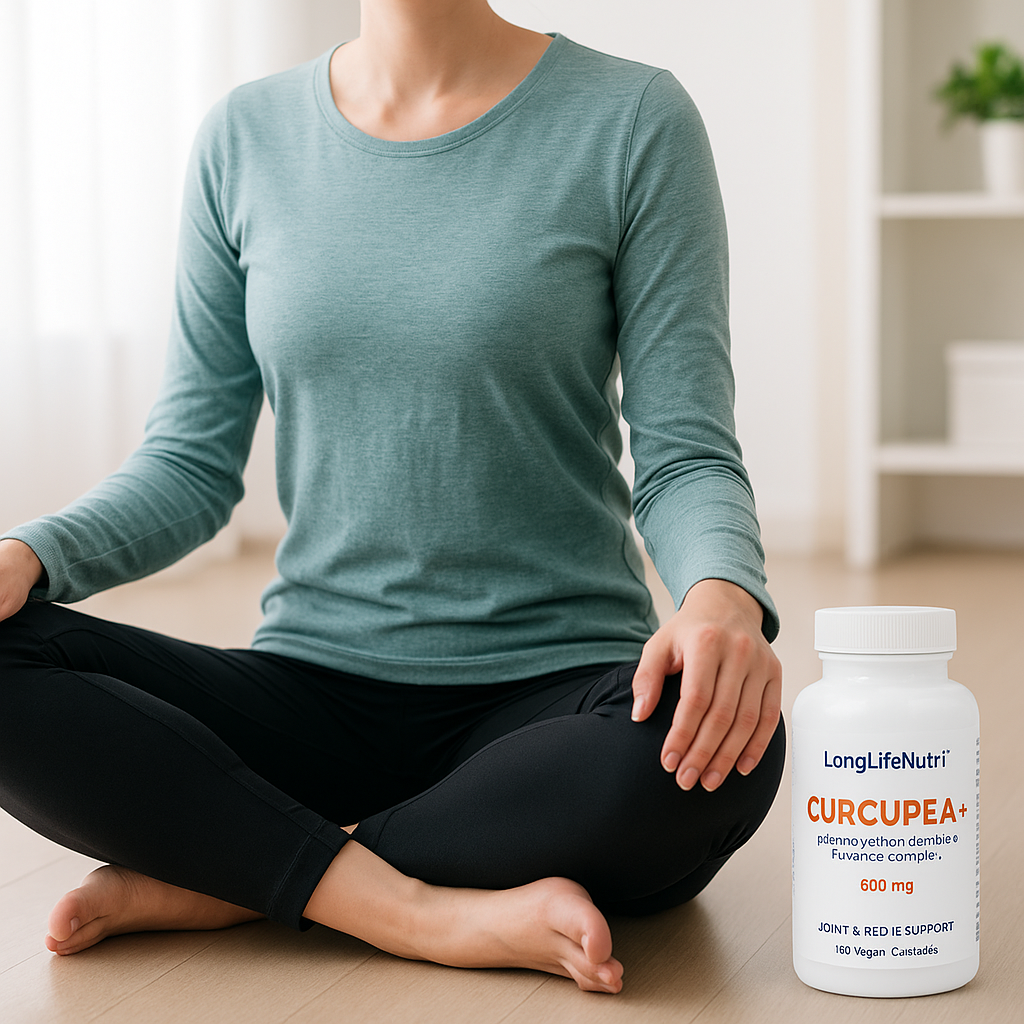
Sitting cross-legged is a habit that feels natural to many people, whether during meditation, while relaxing on the floor, or even in a chair. For some, it’s a cultural norm or a position of comfort. But questions continue to surface around whether sitting in this position is harmful over time. Is it merely a harmless quirk, or could it be affecting your posture, circulation, and joint health?
The truth is, sitting cross-legged isn’t inherently bad—but it does come with pros and cons that depend on your body, posture habits, and how long you remain in the position. In this guide, we’ll break down the biomechanics of cross-legged sitting, who may benefit from it, who should be cautious, and how to support your joint and nerve health with strategies and supplements like CurcuPEA+. Whether you're sitting on the floor or at your desk, this article will help you sit smarter.
How Urban Gardening Improves Air Quality & Reduces Stress
air purification balcony gardening city living wellness clean air city community gardens environmental wellness gardening mindfulness green space mental health green walls healthy living in cities indoor plants mitochondrial health plants reduce pollution reduce stress naturally urban gardening urban gardening benefits urban stress relief Urolithin A+ urolithin supplement vertical gardens

City life has its perks—endless dining options, cultural hotspots, and convenience at your fingertips. But with that comes noise, congestion, and a serious lack of greenery. Urban environments often suffer from poor air quality and rising stress levels, leaving residents feeling mentally drained and physically foggy. Fortunately, there’s a powerful, natural solution growing quietly in backyards, rooftops, and balconies: urban gardening.
Urban gardening isn’t just a hobby—it’s a lifestyle movement that promotes cleaner air, community connection, and mental well-being. As more people turn to homegrown herbs, leafy greens, and vertical gardens, the benefits are becoming clear. In this article, we’ll explore how urban gardening positively impacts both environmental and personal health, and how pairing it with lifestyle strategies and cellular-supporting supplements like Urolithin A+ can create a holistic path to vitality in the city.
Earthing and Blood Pressure: What the Research Says
antioxidant support barefoot therapy blood pressure cardiovascular health earthing free radical defense grounding grounding and HRV grounding studies heart health supplements heart rate variability hypertension remedies inflammation lifestyle and heart health LongLifeNutri natural antihypertensive natural ways to lower blood pressure pterostilbene pterostilbene for blood pressure stress reduction
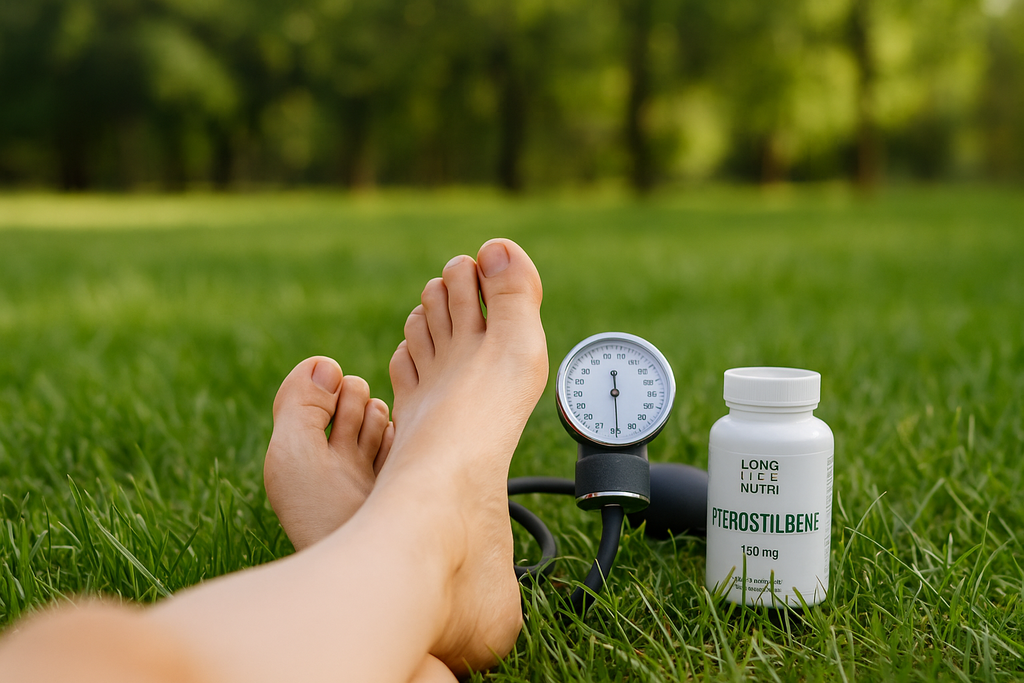
In a fast-paced world filled with screens, artificial lighting, and constant stimulation, one of the simplest health practices gaining momentum is also the most primal: connecting your bare feet to the earth. Known as “earthing” or “grounding,” this wellness trend has been associated with a wide range of benefits—from improved sleep to reduced inflammation. But can it actually help lower blood pressure?
Emerging research suggests that spending time in direct contact with the Earth’s surface may influence your cardiovascular system in surprising ways. With hypertension affecting over a billion people worldwide, natural interventions are gaining more attention. This article breaks down the science behind earthing, what studies say about its impact on blood pressure, and how combining it with smart lifestyle strategies and antioxidant-rich supplements like Pterostilbene may offer enhanced support for heart health.
Can You Take Berberine and Metformin Together? Benefits, Risks & Dosage
AMPK activator berberine berberine and metformin berberine dosage berberine for insulin resistance berberine HCL berberine supplement berberine vs metformin blood sugar support diabetic supplement glucose control insulin sensitivity longlife nutri lower blood sugar naturally metabolic health metformin natural alternative to metformin natural supplements take berberine with metformin type 2 diabetes
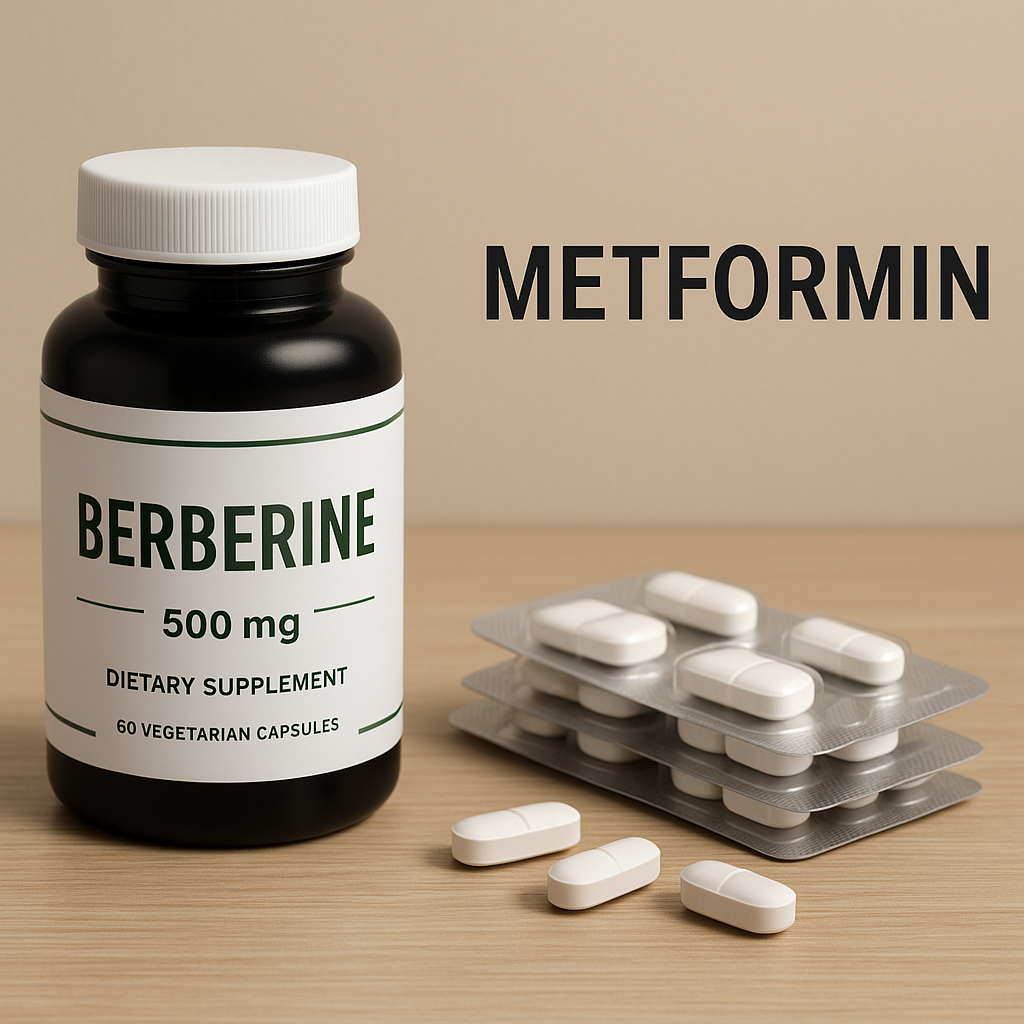
In the world of blood sugar regulation and metabolic health, few combinations spark as much curiosity as berberine and metformin. Both are known for their powerful glucose-lowering effects and metabolic support, but can they safely be taken together? This question has become increasingly common among individuals managing type 2 diabetes, insulin resistance, or metabolic syndrome who are exploring natural and pharmaceutical options.
Berberine, a plant-based compound used in traditional medicine, has earned a solid reputation as a natural alternative or adjunct to metformin, the most commonly prescribed drug for type 2 diabetes. Yet, combining the two raises several questions about safety, efficacy, and long-term benefits. This article unpacks the science, interactions, benefits, and practical advice for anyone considering taking berberine and metformin together.