
News
Can Gum Disease Cause Heart Problems? Understanding the Oral-Heart Connection
bacteria and heart bleeding gums brushing cardiovascular health dental care dental hygiene flossing gingival health gingivitis gum disease heart disease heart inflammation inflammation LongLifeNutri Heart & Gum Support oral health oral probiotics oral-heart connection periodontal disease plaque buildup systemic inflammation
Most people think of oral hygiene as merely a cosmetic concern—important for fresh breath and a sparkling smile. But what if your gums could tell you something deeper about your overall health? Emerging research suggests a strong link between gum disease (periodontal disease) and heart problems, revealing that your mouth may be more than just a window to your teeth—it might be a mirror of your cardiovascular health.
The idea that gum disease could contribute to heart conditions might sound far-fetched at first. However, chronic inflammation, oral bacteria, and poor oral care are now recognized as potential contributors to systemic diseases, especially those affecting the heart. In this article, we’ll explore how oral health and heart health are connected, what the science says, and how taking better care of your gums might just protect your most vital organ.
The Effects of Sleep Deprivation on Energy and Overall Health
chronic sleep loss circadian rhythm cognitive performance deep sleep effects of poor sleep fatigue immune system and sleep insomnia lack of sleep LongLifeNutri Sleep Support melatonin mental health and sleep natural sleep remedies sleep and energy sleep and health sleep and weight gain sleep cycle sleep deprivation sleep supplements sleep support
In today’s go-go-go culture, sleep is often sacrificed in the name of productivity. We wear our late nights and early mornings like badges of honor, believing that burning the candle at both ends is the price of success. But behind the hustle lies a mounting cost—one that affects our energy levels, mental clarity, immune function, and even the health of our hearts and hormones.
Sleep isn’t a luxury—it’s a biological necessity. Skimping on it affects much more than just how tired we feel the next day. From sluggish metabolism to weakened immunity, the ripple effects of sleep deprivation can compromise nearly every aspect of your health. In this article, we’ll explore what really happens to your body and mind when you’re not getting enough rest—and how to reclaim the revitalizing power of a good night’s sleep.
How Stress Affects the Brain and Your Mental Health
adaptogens amygdala and fear anxiety BDNF brain fog brain supplements chronic stress cortisol cortisol balance depression and stress hippocampus shrinkage LongLifeNutri memory and stress mental health neuroplasticity stress and the brain stress recovery stress relief remedies stress relief supplements stress symptoms
Stress is an unavoidable part of modern life — but when it becomes chronic, it can wreak havoc on your brain and emotional well-being. While a certain amount of stress can motivate you and sharpen focus, too much for too long triggers chemical changes in the brain that affect memory, mood, and even your physical health. The result? You may feel anxious, forgetful, irritable, or overwhelmed — and that’s just the beginning.
Understanding how stress affects the brain is crucial for protecting your mental health. The brain-body connection is real, and stress doesn’t just live in your mind — it shapes how your brain functions on a structural and hormonal level. In this article, we’ll explore the neurological impact of stress, the symptoms it can cause, and actionable ways to manage it before it takes a toll on your mental wellness.
The Role of Electrolytes in Hydration and Muscle Function: Causes and Symptoms of Imbalance
calcium electrolyte complex electrolyte deficiency electrolyte imbalance electrolyte supplements electrolytes hydration hydration and performance hydration tips keto electrolytes LongLifeNutri low electrolytes magnesium muscle cramps muscle fatigue potassium rehydration sodium sports hydration sweat loss
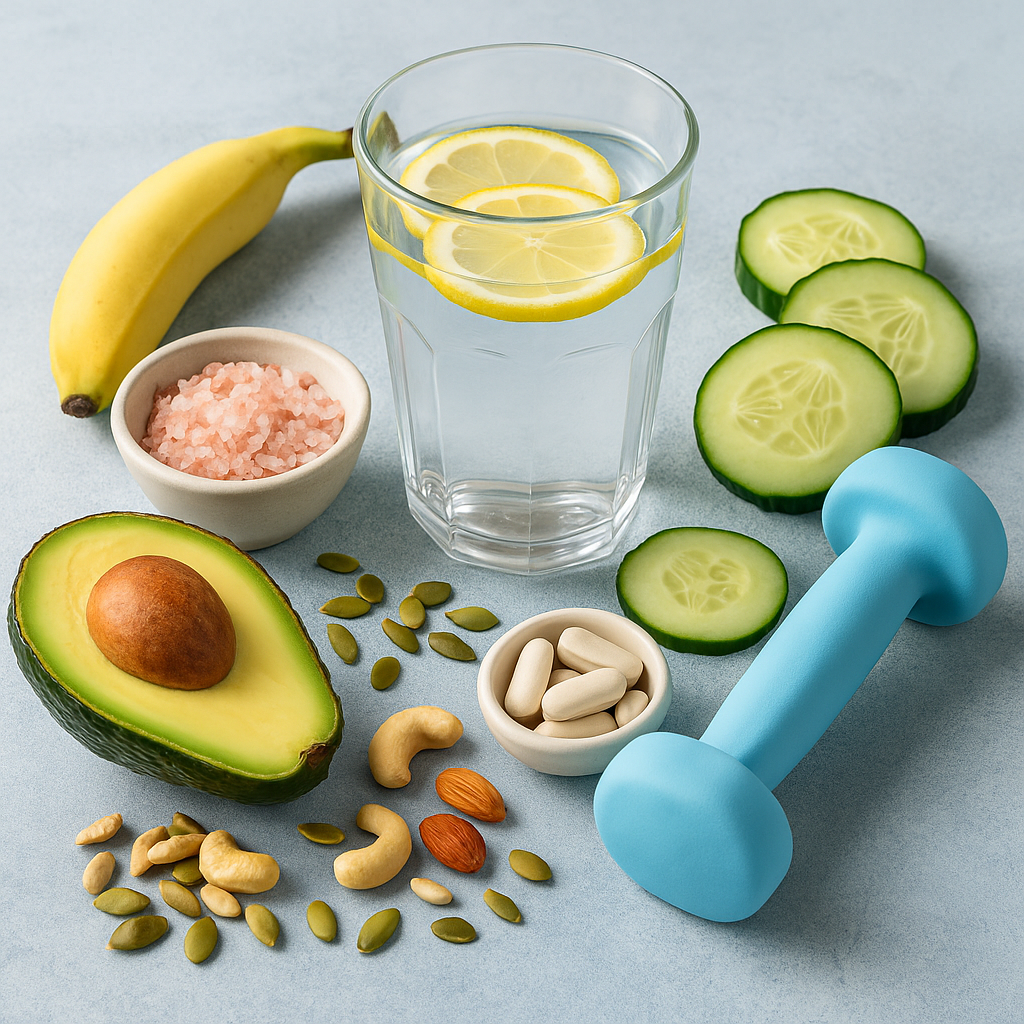
Electrolytes are more than just a buzzword on sports drinks — they are vital minerals that regulate countless physiological processes, especially hydration and muscle function. These electrically charged minerals, including sodium, potassium, calcium, and magnesium, ensure that your cells, nerves, and muscles function properly. Without balanced electrolytes, your body can’t maintain fluid equilibrium or support normal muscle contraction and relaxation.
Electrolyte imbalance can lead to dehydration, muscle cramps, fatigue, irregular heartbeat, and even more serious health issues if left unchecked. From high-performance athletes to everyday individuals, understanding how electrolytes work — and how to keep them balanced — is essential for maintaining health and performance. In this article, we’ll explore the critical roles electrolytes play, what happens when things go out of balance, and practical strategies to stay hydrated and energized.
The Role of Melatonin in the Circadian Rhythm and Sleep-Wake Cycle
B6 and melatonin biological clock blue light sleep disruption brain and melatonin circadian rhythm insomnia jet lag jet lag remedy light and sleep LongLifeNutri melatonin melatonin benefits melatonin dosage melatonin for kids melatonin production natural sleep aids shift work sleep sleep hygiene sleep supplement sleep-wake cycle
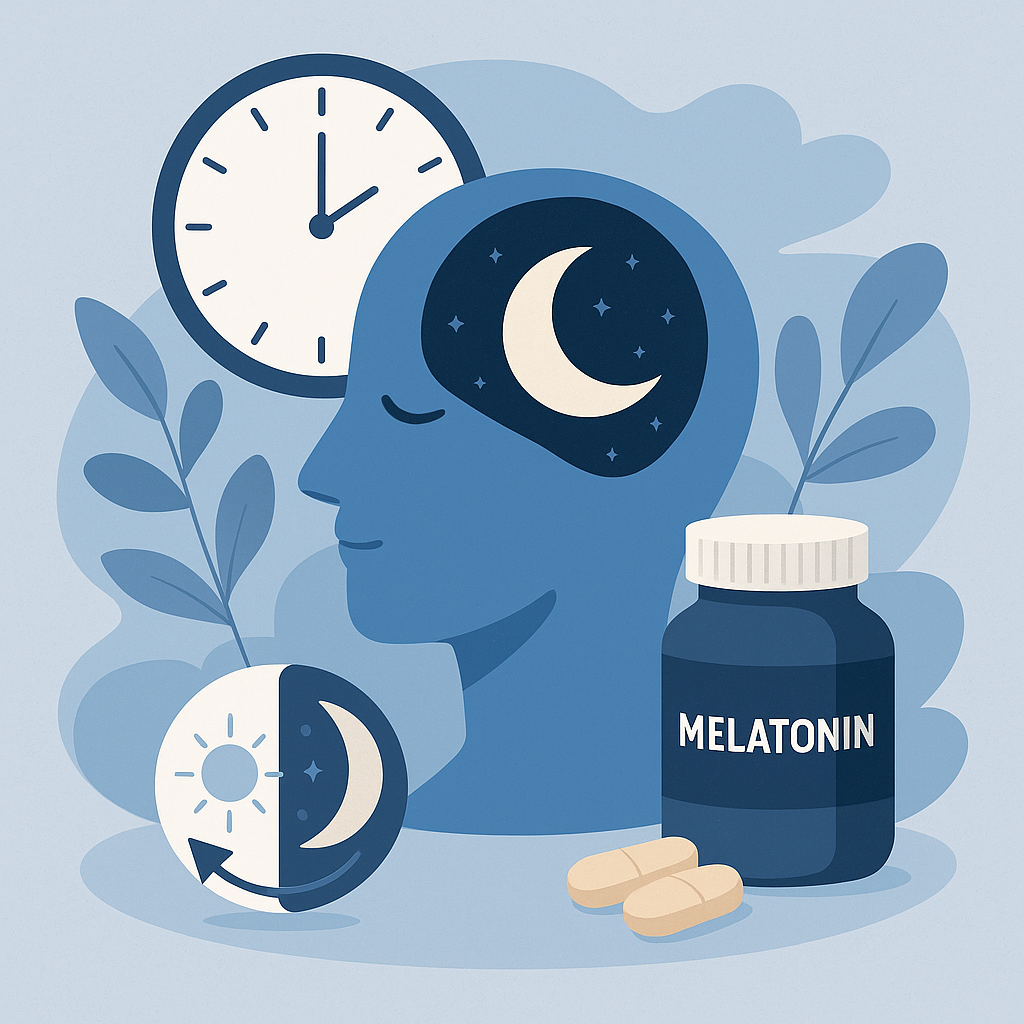
Ever wonder why you start to feel sleepy around the same time each night? Or why traveling across time zones throws off your entire schedule? The answer lies in your body’s internal clock — the circadian rhythm — and a powerful hormone called melatonin. Often referred to as the “sleep hormone,” melatonin plays a crucial role in regulating when you feel alert and when it’s time to wind down.
Produced by the pineal gland in response to darkness, melatonin signals the body that it’s time to prepare for rest. But melatonin isn’t just about sleep — it’s an essential regulator of your entire circadian system. In this article, we’ll explore how melatonin influences your sleep-wake cycle, how modern life disrupts this rhythm, and natural ways to optimize your melatonin production for better rest and overall well-being.