
News
Can You Get Measles Twice? Understanding Immunity and Reinfection
can you get measles twice childhood vaccines compromised immune system get measles twice herd immunity immunity measles measles immunity measles outbreak measles prevention measles reinfection measles symptoms measles vaccine measles virus MMR vaccine second measles infection titer test vaccine effectiveness vaccine failure viral infection
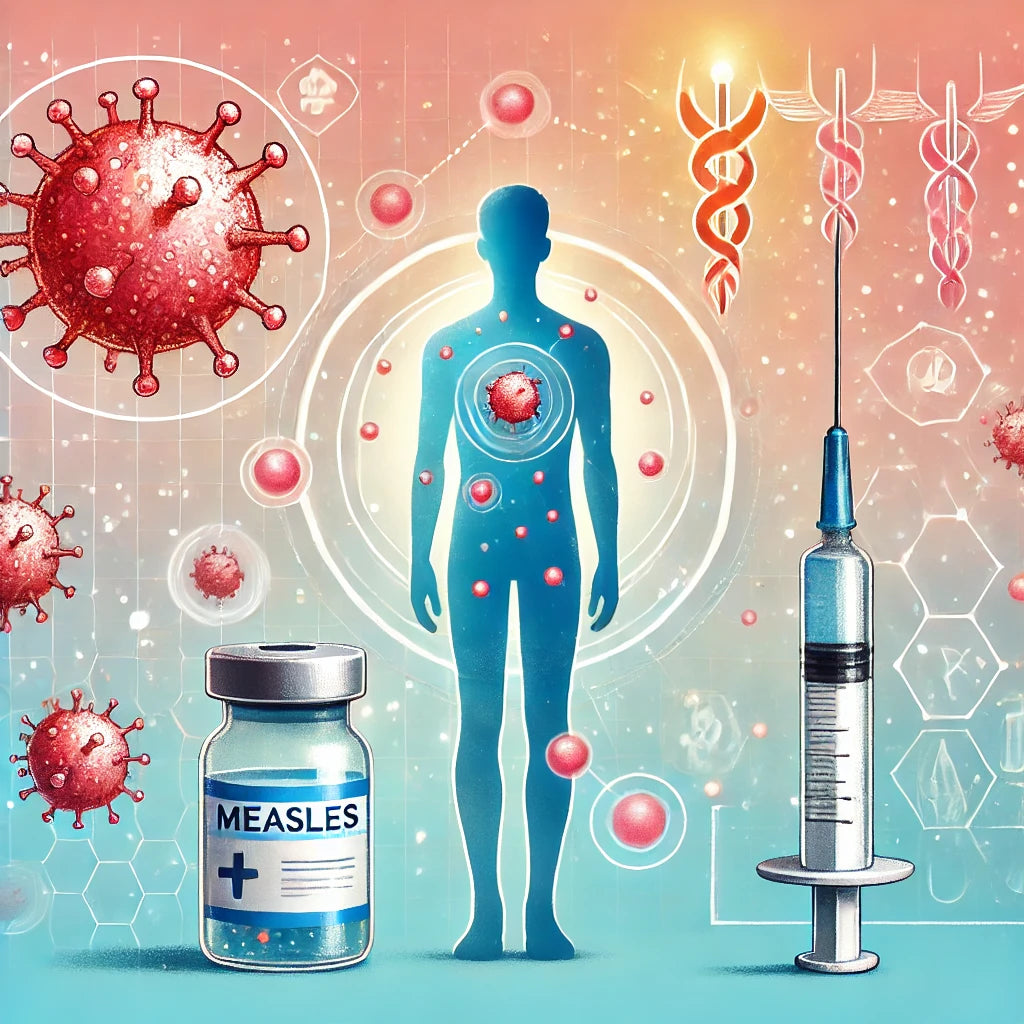
Measles is one of the most contagious viral infections, known for causing high fever, cough, a distinctive red rash, and other flu-like symptoms. It's primarily spread through respiratory droplets and can easily infect anyone who hasn't been vaccinated or developed immunity. While most people associate measles with a one-time illness, a common question that arises is: Can you get measles twice?
Typically, after recovering from measles, individuals develop lifelong immunity, preventing them from getting the virus again. However, there are rare exceptions and nuances to consider, including vaccine failure and certain immune system conditions. In this article, we’ll explore whether it’s possible to get measles more than once, how immunity works, and the role of vaccines in preventing a second infection.
Cholera Treatment: Oral Rehydration Therapy and Antibiotics
antibiotics for cholera cholera and antibiotics cholera antibiotics cholera complications cholera dehydration cholera ORS cholera outbreak cholera prevention cholera public health cholera recovery cholera rehydration therapy cholera survival cholera symptoms cholera treatment cholera treatment centers managing cholera oral rehydration therapy for cholera treating cholera in children treating cholera in pregnancy Vibrio cholerae infection

Oral rehydration therapy is the cornerstone of cholera treatment. It replaces the fluids and electrolytes lost through diarrhea, preventing severe dehydration and death. Antibiotics, while not always necessary, can be used to shorten the duration of illness and limit the severity of symptoms. Both methods, used in tandem, can greatly improve patient outcomes. In this article, we’ll explore the specifics of cholera treatment, focusing on how ORT and antibiotics work, when they should be administered, and their role in controlling cholera outbreaks.
What Are the Risks of Malaria for Pregnant Women?
antimalarial medications malaria and fetal health malaria bed nets malaria global burden malaria healthcare for pregnant women malaria in pregnancy malaria in Sub-Saharan Africa malaria low birth weight malaria mosquito protection malaria prevention in pregnancy malaria public health initiatives malaria risks for pregnant women malaria stillbirth risk malaria symptoms in pregnancy malaria treatment during pregnancy maternal anemia malaria maternal health malaria pregnant women malaria complications preterm birth malaria preventing malaria in pregnant women

Malaria is a life-threatening disease caused by parasites transmitted through the bites of infected mosquitoes. While it poses significant risks to all individuals, pregnant women face a unique set of challenges when infected. The effects of malaria during pregnancy can be particularly severe, impacting both the mother and the unborn child. With a weakened immune system during pregnancy, women are more vulnerable to infections, making them prime targets for malaria. Moreover, the consequences of contracting malaria while pregnant can lead to serious complications, including maternal death, miscarriage, and other severe health outcomes.
In areas where malaria is endemic, pregnant women are at a higher risk of contracting the disease and experiencing more severe complications compared to non-pregnant women. The growing fetus, too, is placed in jeopardy, often resulting in premature birth, low birth weight, or stillbirth. Recognizing the risks, symptoms, and prevention strategies for malaria in pregnancy is crucial to protect both the mother and the baby. This article will explore the dangers posed by malaria for expectant mothers and discuss strategies for prevention and treatment.
Understanding Lyme Disease: Symptoms, Diagnosis, and Treatment
antibiotic therapy black-legged tick Borrelia burgdorferi bullseye rash chronic Lyme erythema migrans Lyme carditis Lyme diagnosis Lyme disease Lyme disease treatment Lyme prevention Lyme rash Lyme symptoms Lyme vaccine outdoor safety Post-Treatment Lyme Disease Syndrome tick bite tick protection tick removal tick-borne illness

Lyme disease is a bacterial infection transmitted through the bite of infected black-legged ticks, also known as deer ticks. It is caused by the bacterium Borrelia burgdorferi and primarily occurs in regions with high tick populations, such as forests and grassy areas. Lyme disease can lead to severe health complications if left untreated, making early detection and treatment crucial for avoiding long-term issues.
Symptoms of Lyme disease often begin with a distinctive rash known as erythema migrans, but the condition can progress to affect joints, the heart, and the nervous system. Diagnosis can be challenging, especially in the early stages, as symptoms may mimic those of other conditions. This article will provide an in-depth overview of Lyme disease, from symptoms to diagnosis and available treatment options, offering a comprehensive understanding of this serious infection.
RSV and Older Adults: Understanding the Increased Risk
bronchiolitis elderly care hospitalization immune system lung infection older adults pneumonia respiratory disease respiratory illness Respiratory Syncytial Virus RSV RSV complications RSV prevention RSV risks RSV symptoms RSV transmission RSV treatment RSV vaccine senior health viral infection