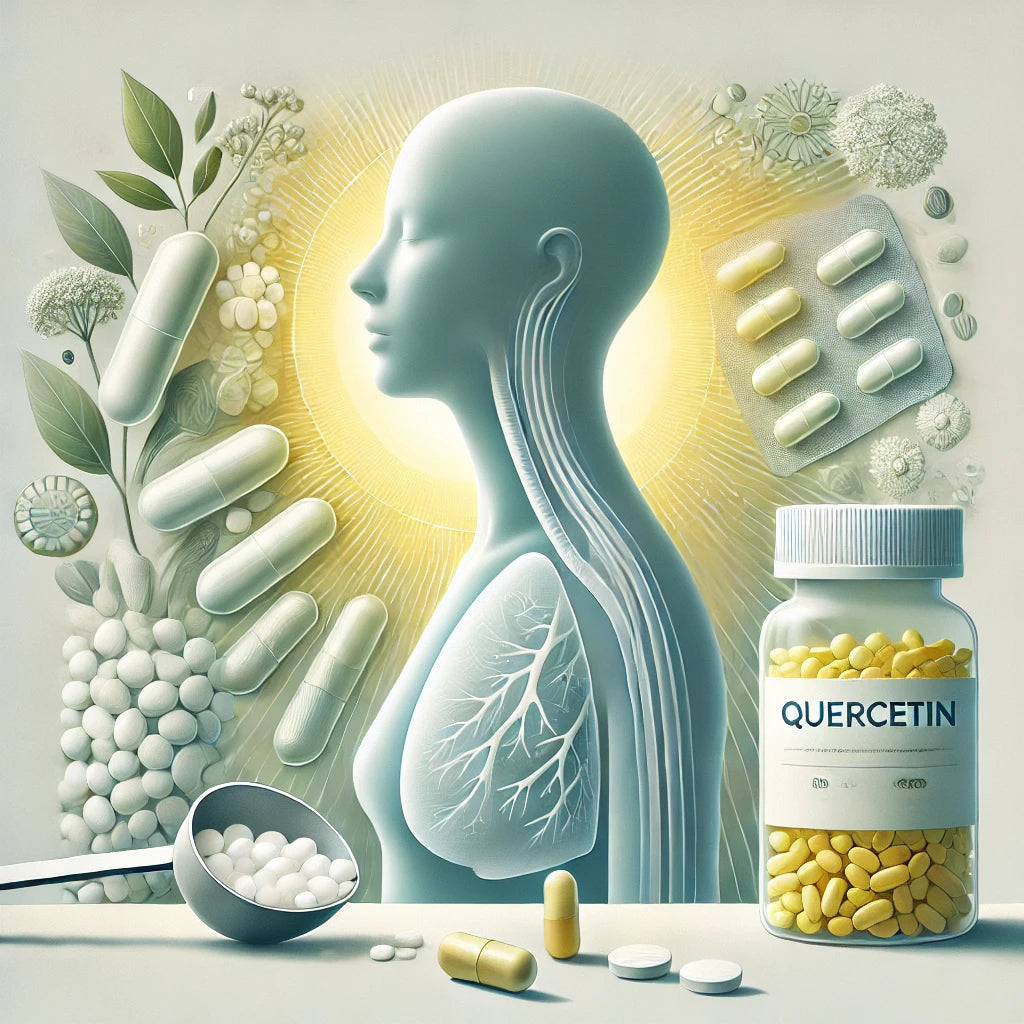
Allergies are a common affliction that millions of people grapple with annually. From seasonal triggers like pollen to persistent irritants such as dust and pet dander, allergy symptoms can disrupt daily life. Conventional treatments often involve antihistamines or corticosteroids, which, while effective, may come with side effects or diminish in efficacy over time. This has led many to seek natural alternatives for managing their symptoms.
One such alternative that has garnered attention is quercetin, a naturally occurring flavonoid found in many fruits, vegetables, and herbs. Known for its anti-inflammatory and antioxidant properties, quercetin has been shown to reduce allergy symptoms and improve overall immune function. But how much quercetin should you take for effective allergy relief? This article delves into the ideal dosage, best practices for consumption, and what you should know before adding this supplement to your regimen.
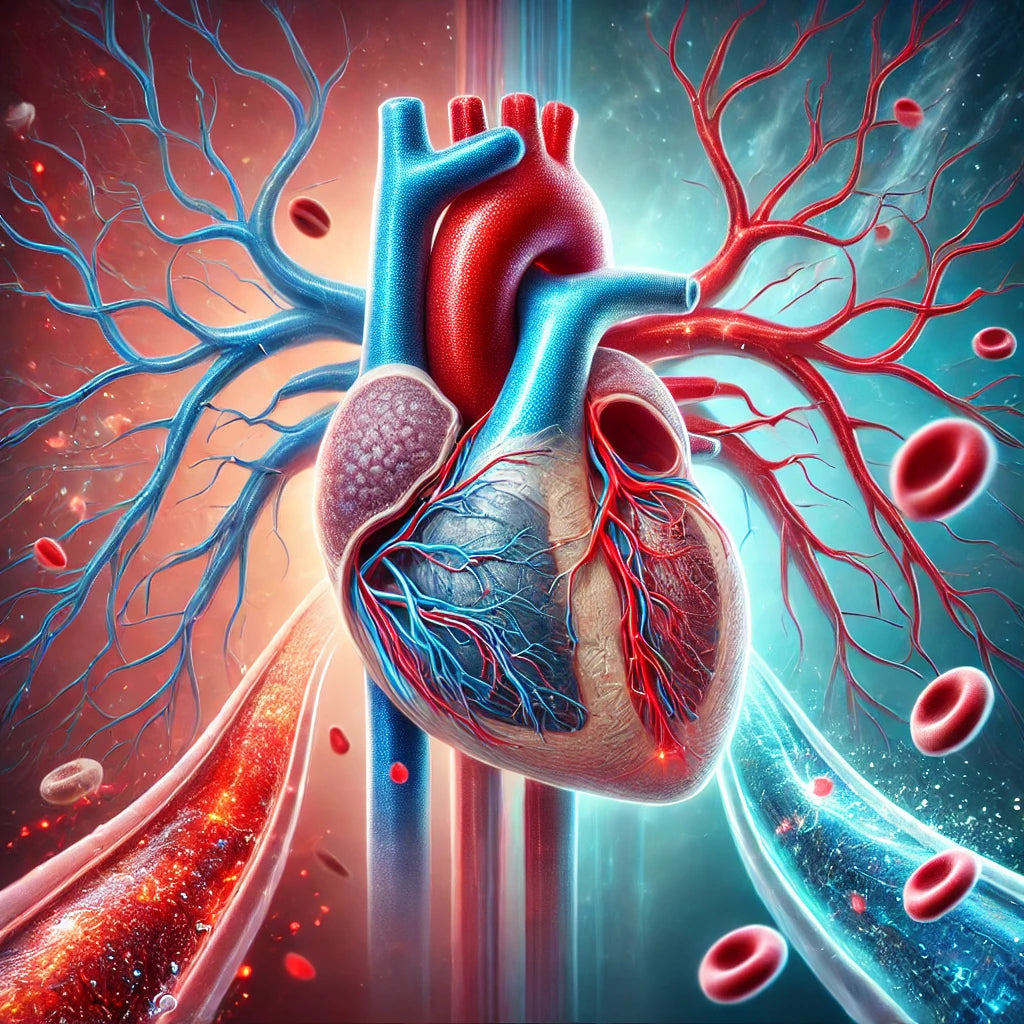
Heart attacks and strokes are among the leading causes of death worldwide, often resulting from atherosclerosis—a condition where arteries become narrowed and hardened due to the buildup of plaque. While lifestyle factors such as diet, exercise, and smoking cessation play crucial roles in cardiovascular health, emerging research highlights the importance of certain nutrients in maintaining heart health. One such nutrient is Vitamin K2, a lesser-known vitamin that has shown promise in preventing heart attacks and strokes by supporting vascular health and preventing arterial calcification.
In this article, we’ll explore the role of Vitamin K2 in cardiovascular health, the mechanisms by which it helps prevent heart attacks and strokes, and how you can ensure you’re getting enough of this vital nutrient in your diet.
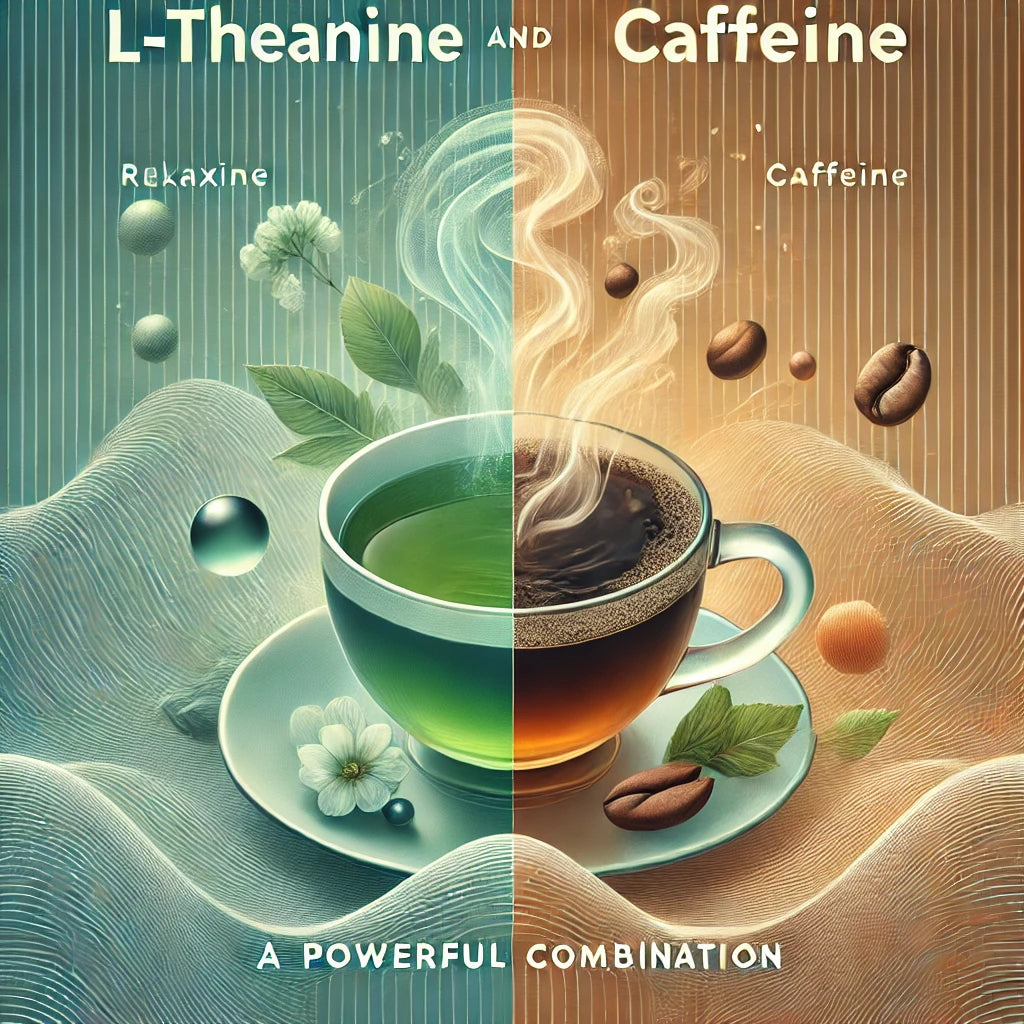
L-Theanine and caffeine are two popular natural compounds often used to enhance mental performance and focus. While each has its own benefits, combining them can create a synergistic effect that provides a balanced, sustained boost in cognitive function without the jittery side effects commonly associated with caffeine alone. This powerful combination has become increasingly popular among students, professionals, and anyone looking to optimize their mental performance throughout the day.
In this article, we’ll explore how L-Theanine and caffeine work together, the benefits of this combination, the scientific evidence behind its effectiveness, and how to use them safely and effectively.
Maca root, often referred to as “Peruvian ginseng,” has been used for thousands of years in traditional medicine to enhance energy, stamina, and overall vitality. Native to the Andes Mountains of Peru, maca root is a cruciferous vegetable that belongs to the same family as broccoli, cauliflower, and kale. It has gained widespread popularity in recent years as a natural supplement for boosting energy levels, improving endurance, and supporting physical performance. But what makes maca root such a powerful energy booster, and how can you incorporate it into your daily routine?
In this article, we’ll explore the benefits of maca root for energy and stamina, the scientific evidence supporting its use, and how to safely and effectively add this ancient superfood to your diet
Anxiety is a common mental health issue that affects millions of people worldwide. It can manifest as constant worry, nervousness, restlessness, or even physical symptoms like rapid heart rate and sweating. While there are many treatments available for anxiety, ranging from therapy to medications, some individuals seek natural alternatives to complement their current treatment or avoid potential side effects. One such natural remedy that has gained attention for its potential to relieve anxiety is Ginkgo biloba.
Ginkgo biloba, an ancient tree species, has been used in traditional medicine for thousands of years. It is best known for its ability to improve memory and cognitive function, but emerging research suggests that it may also be effective in reducing anxiety. In this article, we’ll explore how Ginkgo biloba can help alleviate anxiety, the scientific evidence behind its use, and how to incorporate it safely into your routine.