News — spinal health
Pilates for Back Stability: How Core Motor Control Beats Traditional Ab Training
back stability motor control pilates core training spinal health

If you've been chasing back pain relief through stretching, massage, or generic core exercises—only to find temporary results—it's time to look beyond the basics. One method stands out for developing long-term spinal stability and control: Pilates. But it’s not just about strong abs or toned muscles. The real magic of Pilates lies in its ability to train deep core motor control—your body's internal blueprint for coordinated movement and support.
Back pain is rarely just about weak muscles. It's often rooted in poor motor control, imbalanced movement patterns, and a disconnect between the nervous system and deep stabilizing muscles. Pilates addresses all of these with precision. And when paired with supportive nutrients like Vitamin K2 MK-7, which supports skeletal and spinal health, you’re not just managing back pain—you’re preventing it at the structural level.
Cervical Stenosis and Muscle Weakness: A Guide to Management
cervical spine cervical stenosis cervical stenosis surgery cervical stenosis symptoms muscle weakness muscle weakness treatment neck exercises neck pain relief nerve compression physical therapy spinal cord compression spinal health spinal stenosis treatment spine health stenosis management
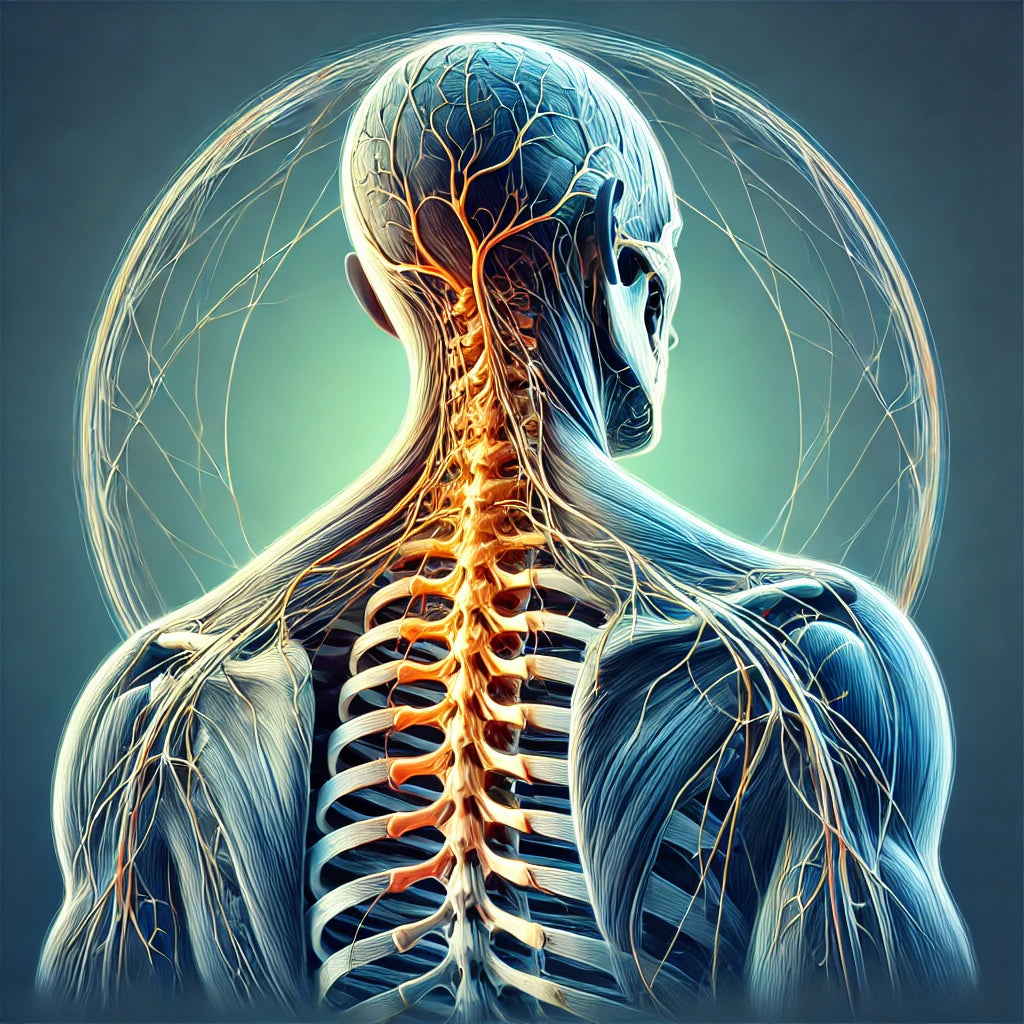
Cervical stenosis is a condition that occurs when the spinal canal in the neck narrows, placing pressure on the spinal cord or nerves. This can lead to various symptoms, including pain, stiffness, and one of the most concerning effects: muscle weakness. Over time, if left untreated, the muscle weakness caused by cervical stenosis can affect mobility, coordination, and overall quality of life. Understanding how to manage this condition is key to preventing further complications and maintaining physical function.
Fortunately, there are several treatment options available to help manage the symptoms of cervical stenosis, including therapies that focus on relieving nerve compression and strengthening affected muscles. Whether through physical therapy, medications, or, in more severe cases, surgery, the goal of treatment is to reduce pain, restore muscle strength, and improve the patient’s ability to perform daily activities. This guide will explore the causes of cervical stenosis, how it leads to muscle weakness, and the best ways to manage and treat this condition.