
News
Teff Grain: The Low Glycemic Superfood for Blood Sugar Balance
blood sugar low glycemic index Teff grain
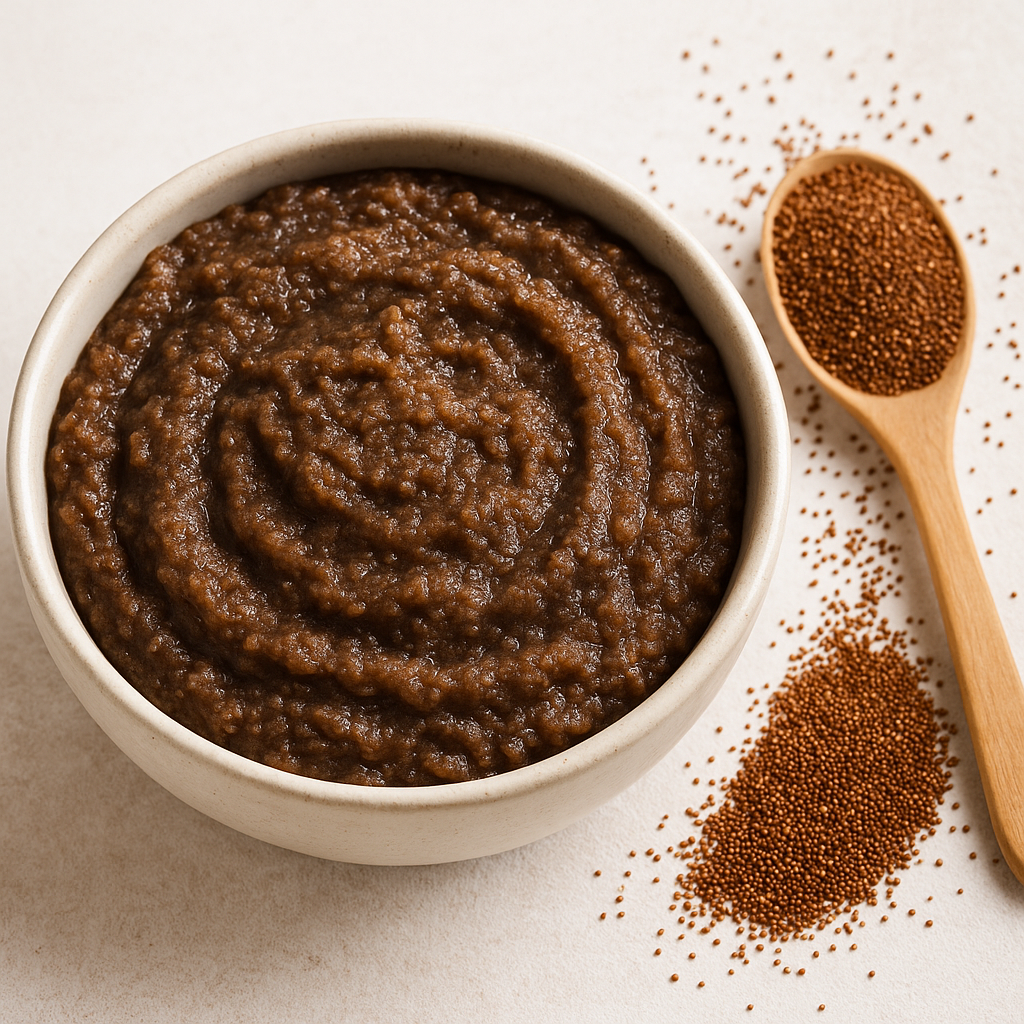
In the ever-evolving world of nutrition, ancient grains are making a well-deserved comeback. Among them, one humble grain stands out not only for its rich history but also for its impressive health benefits—Teff. Native to Ethiopia and Eritrea, teff grain is gaining recognition as a nutritional powerhouse, especially for those seeking to stabilize their blood sugar naturally.
With its naturally low glycemic index, teff helps avoid blood sugar spikes and crashes, making it an excellent choice for individuals managing diabetes, prediabetes, or anyone aiming to maintain consistent energy levels. Packed with protein, fiber, and essential minerals, teff is more than just a gluten-free alternative—it's a superfood that deserves a spot in your pantry.
Maitake Mushroom & Immunomodulation: Natural Defense Against Chronic Disease
chronic disease support immune modulation maitake mushroom

When you think of immune-boosting foods, mushrooms might not be the first thing that comes to mind. But certain varieties, like the maitake mushroom (*Grifola frondosa*), offer far more than cold and flu protection. In fact, maitake is gaining scientific recognition for its profound immunomodulating properties — the ability to balance, rather than overstimulate, the immune system.
This makes maitake uniquely suited to support not just short-term wellness, but long-term health — particularly in the fight against chronic diseases such as cancer, autoimmune disorders, and metabolic syndrome. From ancient folk remedy to modern clinical studies, let’s dive into how maitake mushroom supports the body’s most complex defense system — and why it’s so much more than a seasonal supplement.
Lucuma Powder for Blood Sugar: Low-GI Sweetener with Antioxidant Power
blood sugar control low glycemic sweetener lucuma powder
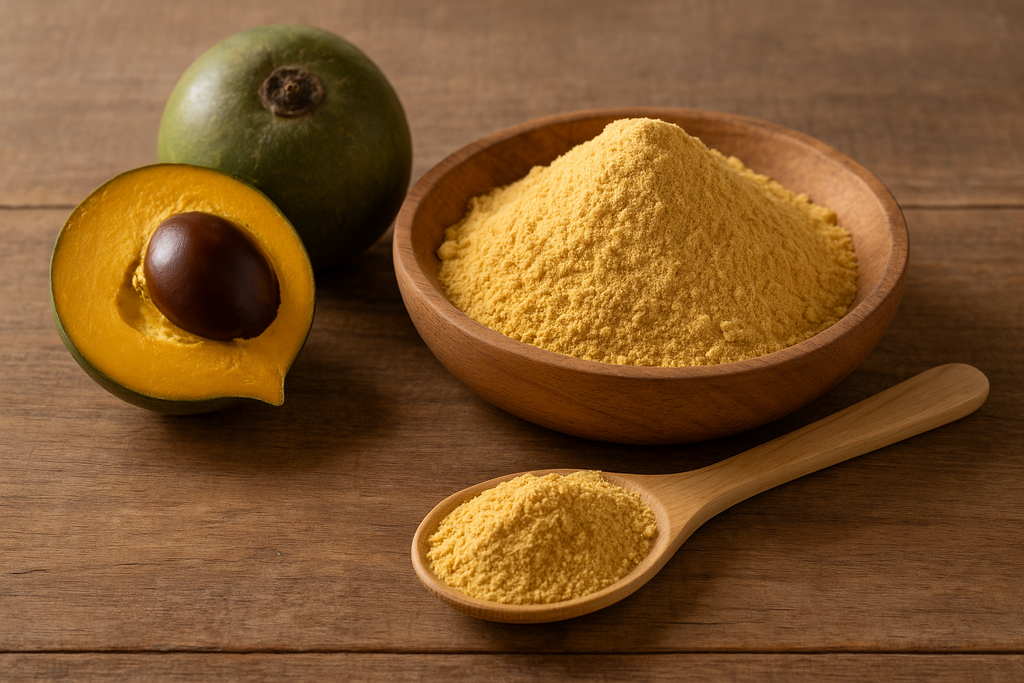
Managing blood sugar levels isn’t just for people with diabetes — it’s a cornerstone of energy, mood stability, healthy aging, and long-term metabolic health. But with so many dietary strategies out there — low-carb, keto, low-GI, plant-based — it’s easy to get overwhelmed. One often overlooked natural sweetener, however, offers a unique combination of low glycemic impact, rich antioxidants, and gentle sweetness: **lucuma powder**.
Hailing from the Peruvian highlands, lucuma is more than a tropical fruit with a custard-like flavor. When dried into powder, it becomes a powerhouse of antioxidants, fiber, and polyphenols that support healthy blood sugar balance — all without spiking glucose like traditional sugars. Whether you're managing prediabetes, looking for a smarter sugar alternative, or simply optimizing your nutrition, lucuma powder may be the natural solution you've been missing. And when combined with bioactives like Apigenin, its benefits are amplified even further.
Ahipa Root: Low-Glycemic, High-Protein Tuber for Blood Sugar Control
ahipa root blood sugar friendly carbs low glycemic tuber
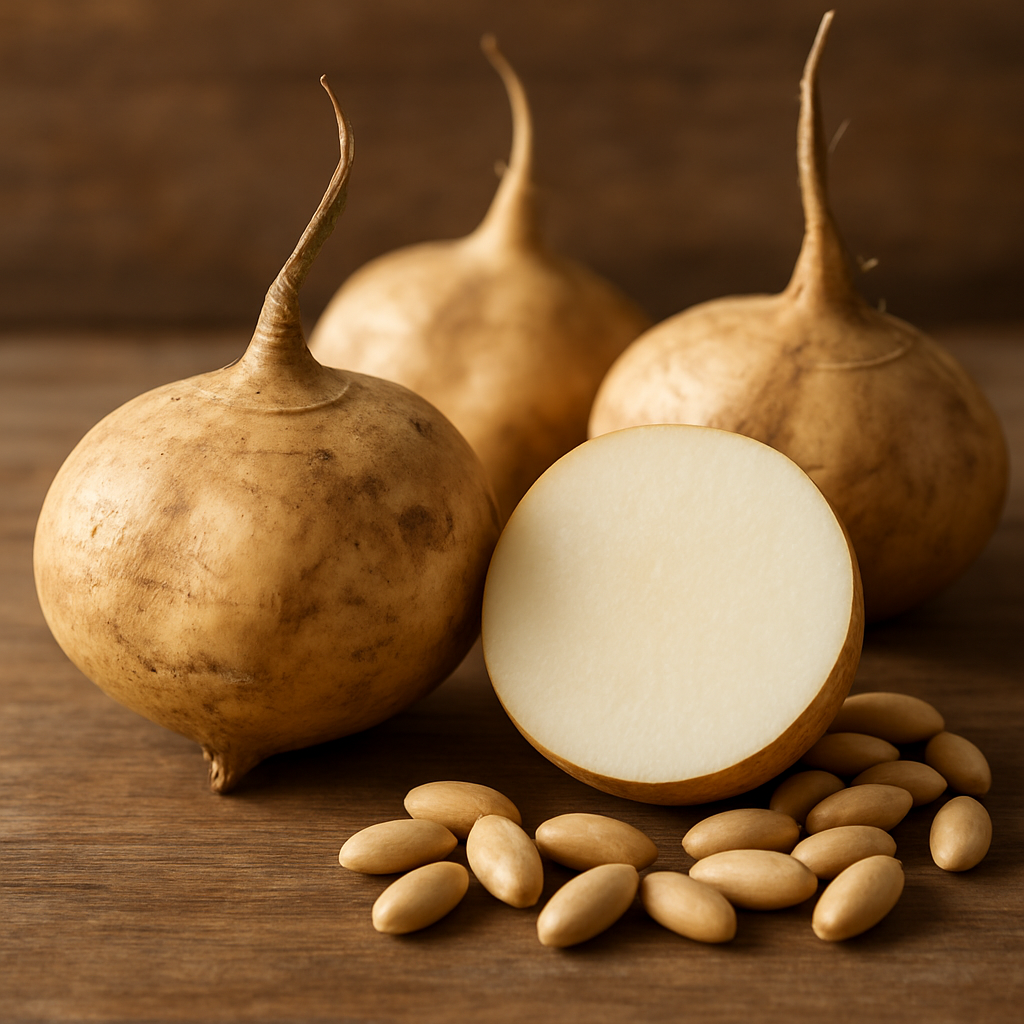
When it comes to starchy root vegetables, potatoes tend to steal the spotlight. But what if there were a lesser-known alternative that not only had a lower glycemic index but also packed in more protein and fiber — all without the blood sugar spike? Enter **ahipa root**, the legume-based tuber you've likely never heard of, but absolutely should.
Native to South America and part of the legume family (*Pachyrhizus ahipa*), ahipa is an underground treasure. With its crisp, jicama-like texture and mild, slightly nutty flavor, it offers a unique combination of slow-digesting carbohydrates, plant-based protein, and prebiotic fiber. Ideal for blood sugar management, weight control, and metabolic health, ahipa root may soon become a staple in functional nutrition — especially for those managing prediabetes or looking for clean, low-GI carbs.
AI and Skin Cancer: 95% Accurate Detection Is Changing Dermatology
AI skin cancer detection melanoma diagnosis AI skin cancer screening technology
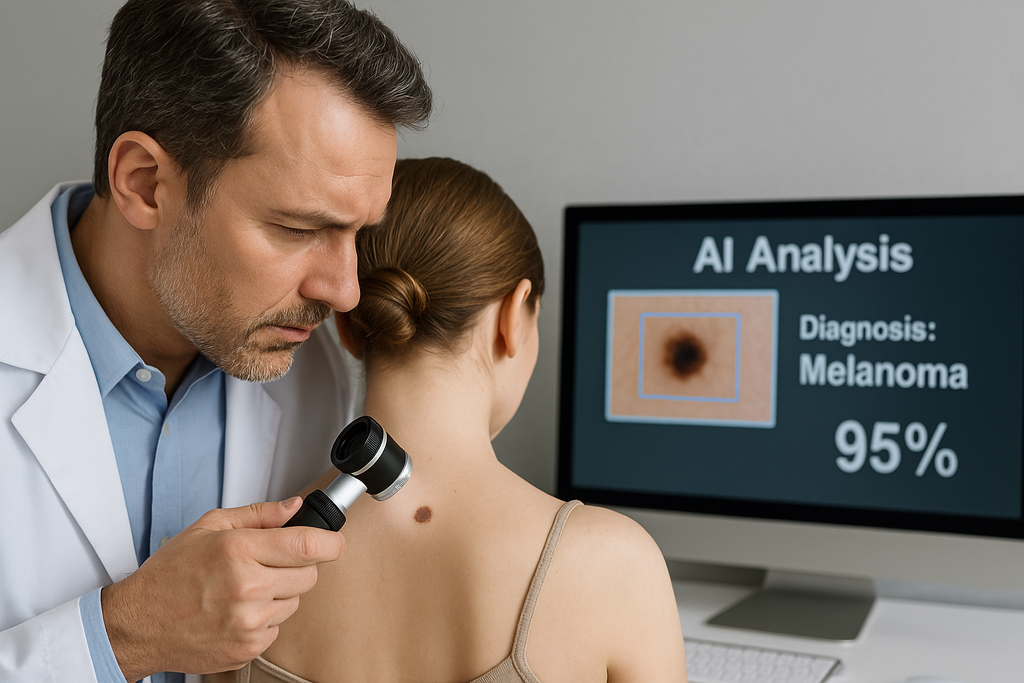
Skin cancer is the most common form of cancer globally, with millions of new cases diagnosed each year. Yet early detection remains a critical challenge — one that can mean the difference between life and death. Fortunately, artificial intelligence (AI) is stepping in with game-changing technology that promises faster, more accurate skin cancer diagnoses. In some cases, AI systems are matching — and even outperforming — experienced dermatologists with up to 95% accuracy.
This leap forward is more than a technological milestone. It represents a profound shift in how we approach dermatological care, accessibility, and prevention. From smartphone-based apps to clinic-integrated diagnostic tools, AI is rapidly reshaping the landscape of skin cancer detection. But how does it work, and what does it mean for patients and practitioners alike? Let’s explore how artificial intelligence is transforming skin cancer screening from a manual, subjective process into a data-driven, high-precision science.