
News — gut health
Beyond the Superfood: Seaweed-Derived Fucoidan’s Natural Anti-Inflammatory Power
antioxidant-rich foods brown seaweed benefits cardiovascular health chronic inflammation cytokine modulation fucoidan gut health immune balance immune support inflammation relief joint health kombu marine nutrition mozuku natural anti-inflammatory natural healing ocean superfood seaweed extract seaweed supplement sustainable supplements wakame

For centuries, seaweed has been a dietary staple in coastal communities, revered not just for its unique flavor but also for its rich nutrient profile. But as modern science peels back the layers of oceanic nutrition, one particular compound is emerging as a standout—fucoidan. This naturally occurring polysaccharide, found in brown seaweeds such as wakame, mozuku, and kombu, is making waves in the wellness world for its potential to soothe inflammation at the root cause.
Chronic inflammation is the quiet troublemaker behind many of today’s most persistent health challenges, from joint pain and cardiovascular disease to autoimmune disorders. While synthetic anti-inflammatory drugs can be effective, they often come with a laundry list of side effects. Fucoidan, on the other hand, offers a natural, gentle approach—working in harmony with the body’s systems to calm the immune response, support tissue repair, and promote long-term vitality. The deeper you dive into its research, the more this ocean treasure starts to look like a genuine game-changer.
The Metabolic Secret: How Psyllium Husk Lowers Cholesterol & Balances Blood Sugar
bile acid binding blood sugar control blood sugar stability cholesterol reduction constipation relief digestion fiber and metabolism glycemic index gut health healthy cholesterol levels heart health insulin sensitivity LDL cholesterol natural fiber supplement Plantago ovata prebiotic fiber psyllium husk soluble fiber type 2 diabetes management weight management
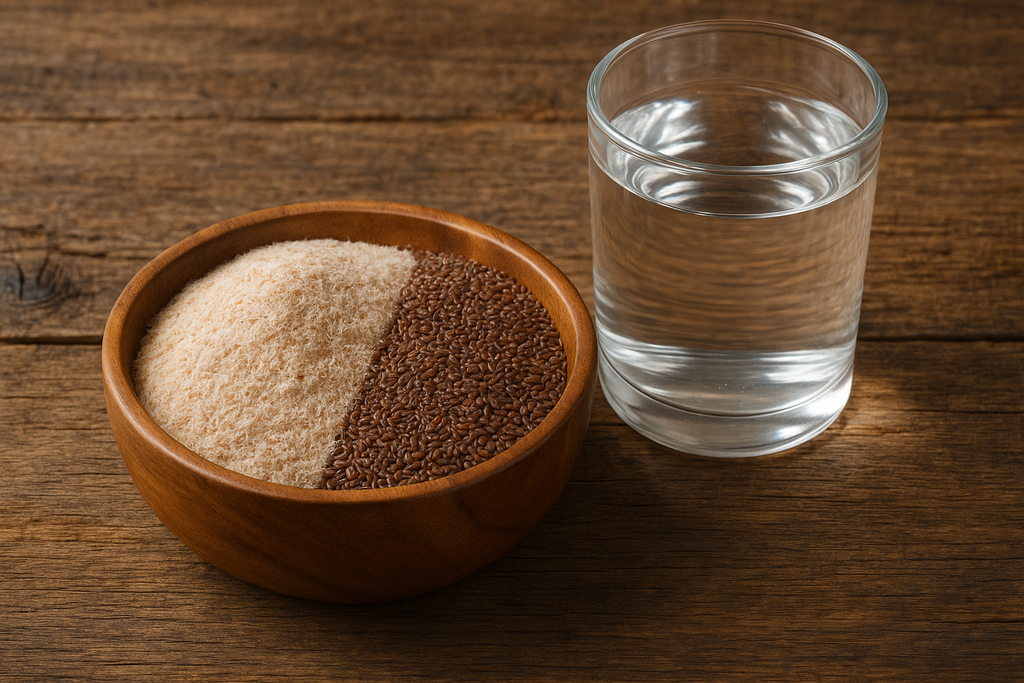
Hidden in plain sight on grocery store shelves, psyllium husk might just be one of the most underrated health tools in the wellness world. This humble fiber, derived from the seeds of the Plantago ovata plant, has been used for centuries in traditional medicine, but modern research is now confirming what our ancestors seemed to know: psyllium husk can do far more than just keep digestion regular.
Recent studies reveal that psyllium husk plays a powerful role in supporting metabolic health—particularly in lowering cholesterol and stabilizing blood sugar levels. For those grappling with high LDL cholesterol or the blood sugar roller coaster that can come with type 2 diabetes or prediabetes, psyllium offers a simple, natural, and inexpensive way to help restore balance. And unlike some dietary changes that require drastic overhauls, adding psyllium to your routine can be as easy as stirring a spoonful into water.
The Unseen Frontier: Exploring Fecal Microbiota Transplantation Beyond C. difficile
C. difficile donor stool screening fecal microbiota transplantation fecal transplant safety FMT FMT and depression FMT delivery methods FMT for autism FMT research gut health gut microbiome therapy gut-brain axis metabolic health microbiome and autoimmune disease microbiome medicine microbiota restoration microbiota transfer MicroRestore Biotic Support neurodegenerative disease gut link probiotic alternatives
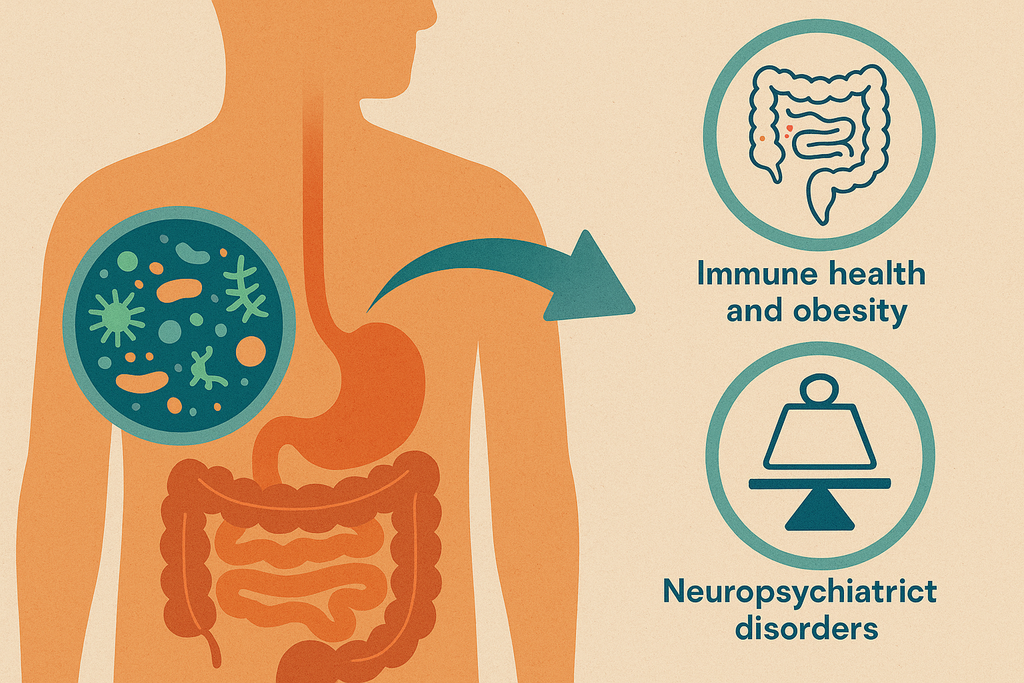
For years, fecal microbiota transplantation (FMT) has been hailed as a medical miracle for treating recurrent Clostridioides difficile infections—restoring balance to the gut where antibiotics failed. But now, scientists and clinicians are beginning to unlock a broader, less-explored frontier: FMT's potential to influence a wide spectrum of diseases beyond gut-related infections.
From autoimmune conditions and metabolic disorders to neurological diseases and even mental health, FMT is emerging as a promising, though controversial, tool in modern medicine. This article dives deep into how FMT works, its expanding applications, and what the future might hold for one of medicine’s most unorthodox but groundbreaking therapies.
Ultra-Processed Plant-Based Meat: Nutritional and Microbiome Impact
BiomeCore Balance emulsifiers fiber and gut health gut health gut microbiota inflammation microbiome health nutrient density pea protein plant-based meat plant-based nutrition prebiotics probiotics processed vegan foods protein isolates sodium in fake meat soy protein ultra-processed foods vegan diet health vegan meat substitutes
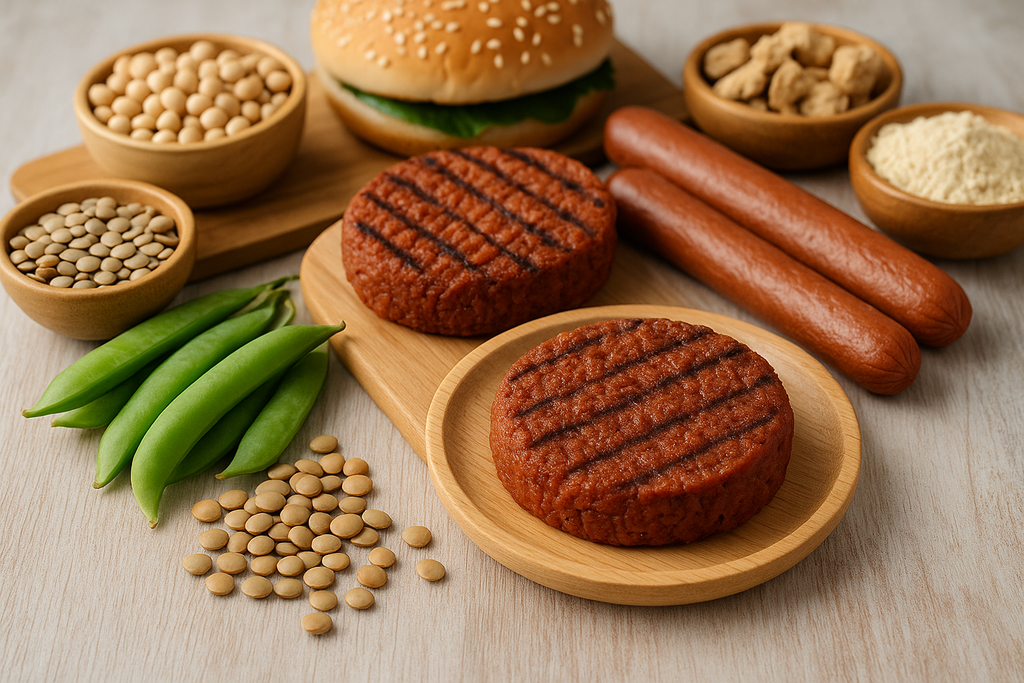
As plant-based eating gains momentum, a new category of foods has emerged to satisfy the demand: ultra-processed meat substitutes. Marketed as eco-conscious and cruelty-free alternatives to traditional animal products, these plant-based meat analogs aim to replicate the texture, taste, and protein profile of meat—without the ethical baggage. But while their environmental benefits often dominate headlines, their health implications remain less clear.
One growing area of concern and curiosity lies in how these ultra-processed foods affect human nutrition and the gut microbiome. Are these engineered patties and nuggets nourishing or merely convenient? What do they offer—or take away—in terms of fiber, micronutrients, and microbial diversity? This article explores the nutritional landscape and gut health impacts of ultra-processed plant-based meats, offering clarity amid the hype.
Monolaurin: Your Natural Shield Against Viruses and Bacteria
antibacterial natural remedy antifungal supplement antiviral supplement Candida overgrowth chronic infection support coconut oil immune support EBV treatment gut health inflammation control LongLife Nutri monolaurin monolaurin 750mg monolaurin benefits monolaurin capsules monolaurin dosage monolaurin supplement natural antimicrobial natural immune booster viral defense yeast cleanse
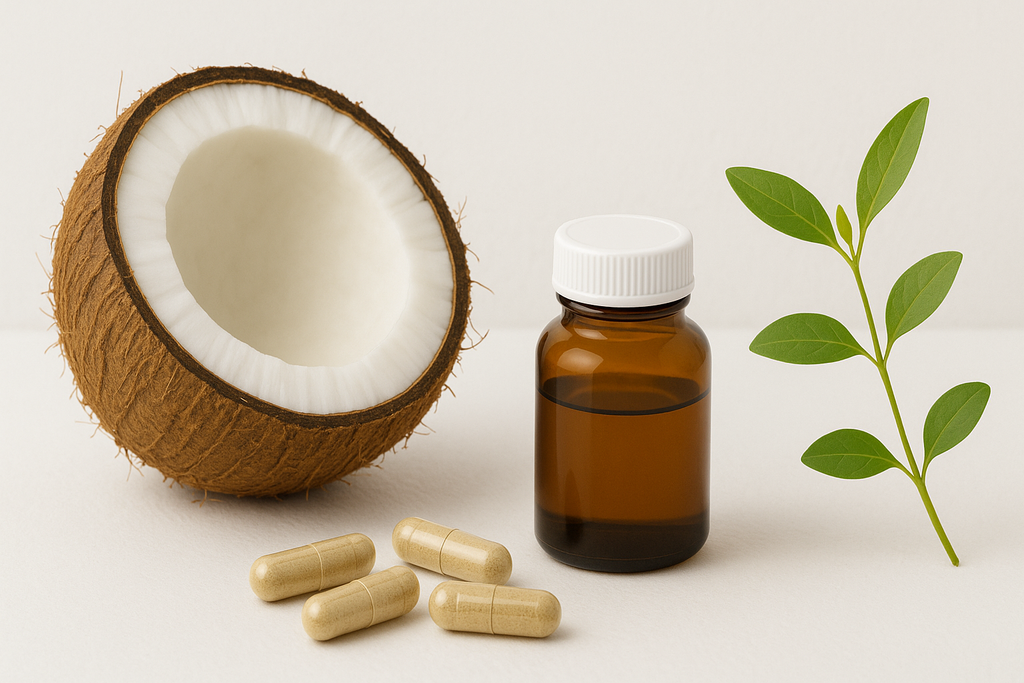
In the constant battle your immune system faces every day, nature has equipped your body with powerful allies—one of the most underrated being monolaurin. Derived from lauric acid, a fatty acid found abundantly in coconut oil and human breast milk, monolaurin is a compound with impressive antimicrobial properties. It’s your body’s silent warrior, helping to neutralize some of the toughest biological threats without harming your own cells.
Monolaurin works by disrupting the protective lipid membranes of harmful microbes, making it effective against viruses, bacteria, fungi, and even some parasites. It’s gaining traction among health enthusiasts for supporting immune function, reducing infection recurrence, and promoting gut balance. In this comprehensive guide, we’ll explore how monolaurin works, its scientifically backed benefits, and how supplements like Monolaurin 750mg - 200 Vegetarian Capsules can fortify your natural defenses.