News
Natural Nitric Oxide Boosters: Foods That Increase NO for Health
arugula nitrates beetroot juice for blood pressure best nitric oxide diet dietary nitrates foods for blood flow heart health superfoods how NO improves circulation how to increase nitric oxide L-arginine foods L-citrulline benefits natural nitric oxide natural vasodilators nitric oxide and erectile health nitric oxide and performance nitric oxide foods nitric oxide for heart health nitric oxide for workouts nitric oxide supplements NO and aging NO boosters
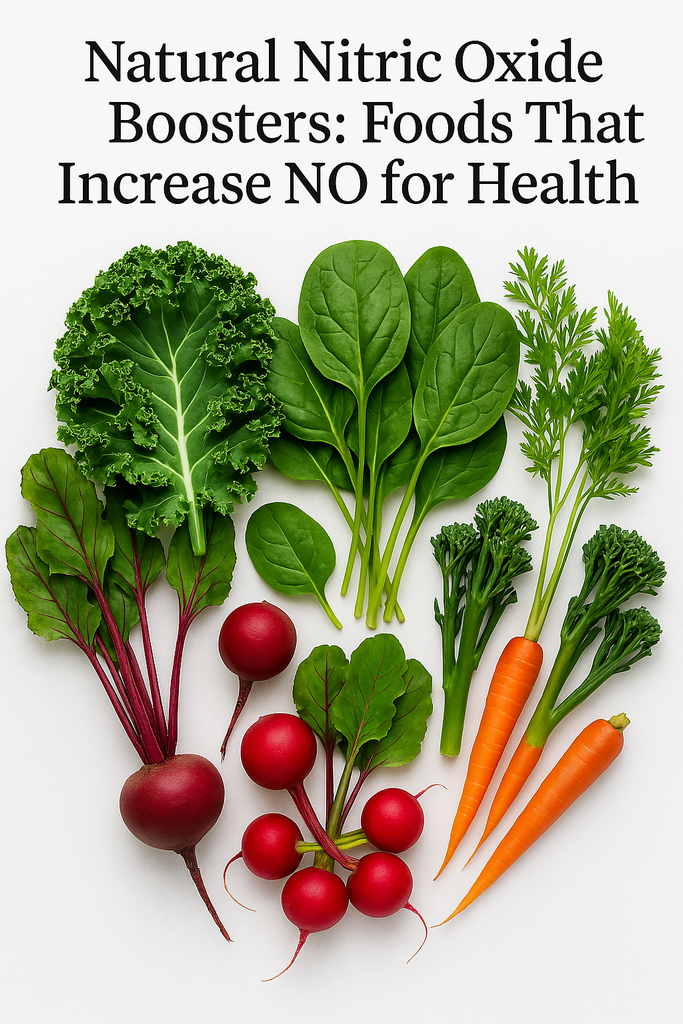
Nitric oxide (NO) is a crucial molecule produced by your body that supports blood vessel health, circulation, and cellular energy. Often referred to as the “miracle molecule,” nitric oxide helps relax blood vessels, improve oxygen delivery, and enhance physical performance. But here's the catch: as we age, nitric oxide production naturally declines—impacting cardiovascular function, stamina, and overall wellness.
The good news? Certain foods can naturally boost nitric oxide levels by supplying the body with the nutrients it needs to synthesize this powerful compound. Whether you're aiming to support heart health, boost exercise performance, or improve cognitive function, adding nitric oxide-boosting foods to your diet is a smart, science-backed move. Let’s explore the best foods and strategies to elevate your NO levels the natural way.
What is C-Reactive Protein (CRP)? Causes, Normal Range, and How to Lower It
anti-inflammatory diet C-reactive protein cardiovascular inflammation causes of high CRP CRP and autoimmune disease CRP and fitness CRP and heart disease CRP levels explained CRP test high CRP levels how to interpret CRP how to lower CRP hs-CRP inflammation blood test inflammation markers liver and CRP natural ways to reduce CRP normal CRP range supplements for CRP what is CRP
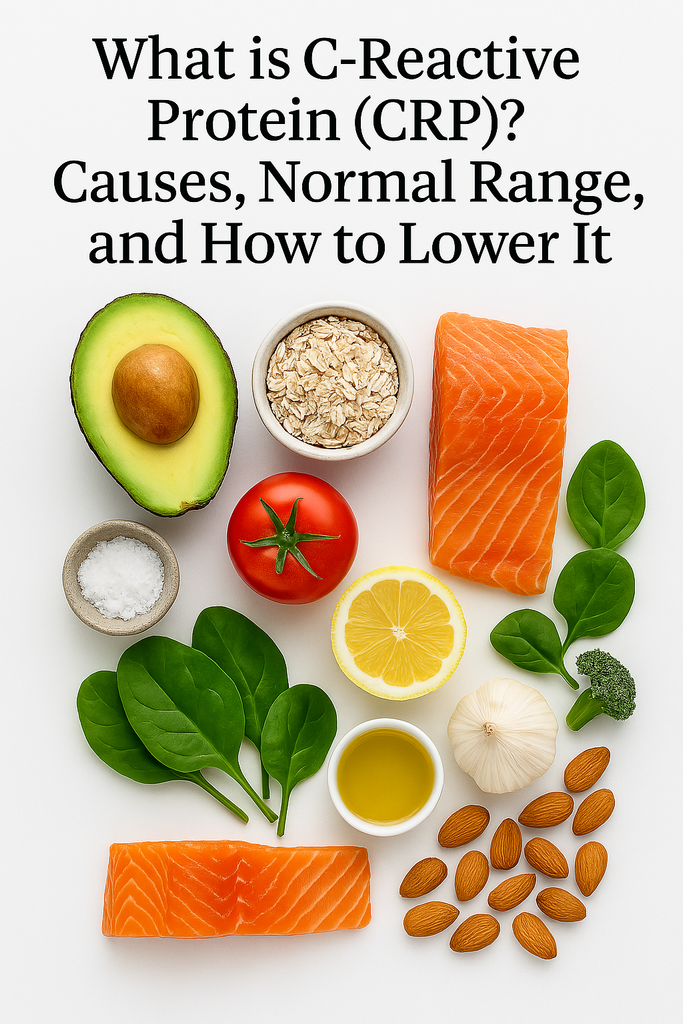
C-reactive protein (CRP) is a marker of inflammation in the body that’s gaining widespread attention in both medical and wellness communities. Produced by the liver, CRP levels rise in response to inflammation—whether it’s from a minor infection, chronic disease, or cardiovascular issue. Measuring CRP can provide vital insight into your risk for heart disease, autoimmune disorders, and overall health status.
But what exactly does your CRP level mean? What causes it to rise, and most importantly, how can you bring it down naturally? In this guide, we’ll explore the science of CRP, the health conditions associated with elevated levels, and proven strategies to keep inflammation—and CRP—in check.
Bone Health Diet: The Best Foods for Strong Bones
best foods for bones bone density bone health bone health supplements bone mineral density bone strength bone-building foods calcium-rich foods exercise and bones healthy bones diet how to support bone health lifestyle for strong bones magnesium for bones osteoporosis prevention phosphorus and calcium protein for bones strong bones vitamin D and bones vitamin K2
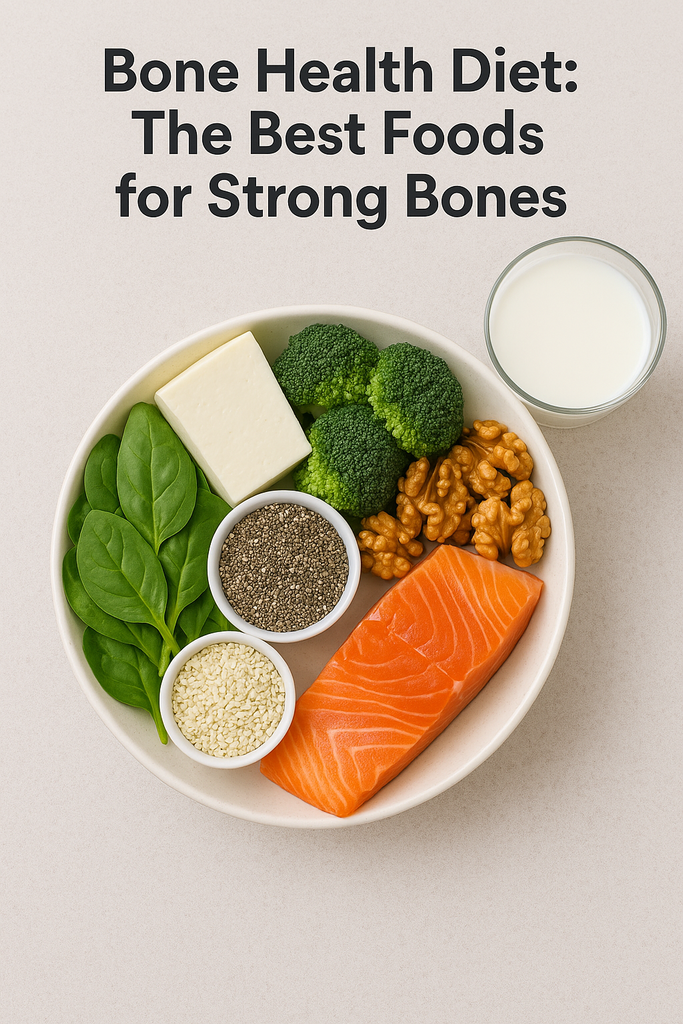
Strong bones are the foundation of a resilient body—literally. They support mobility, protect vital organs, and serve as the body’s mineral reservoir. Yet, many people don’t think about their bone health until they experience a fracture, loss of mobility, or age-related conditions like osteoporosis. The good news? A well-designed diet can help build and maintain healthy bones at every stage of life.
Your bones are living tissue that constantly rebuilds itself, and nutrition plays a vital role in this process. While calcium and vitamin D are well-known players, other nutrients like magnesium, vitamin K, and protein are equally essential. This guide explores the best foods for strong bones, the nutrients they provide, and how to create a bone-building meal plan that’s as delicious as it is effective.
Sodium Intake for High Blood Pressure: Recommended Limits and Foods to Avoid
best diet for hypertension blood pressure supplements DASH diet foods high in sodium high blood pressure diet hypertension tips kidney and sodium connection low sodium cooking potassium and blood pressure processed foods and sodium reading nutrition labels reducing salt intake restaurant sodium salt alternatives salt and heart health sodium and blood pressure sodium intake limits sodium reduction sodium substitutes
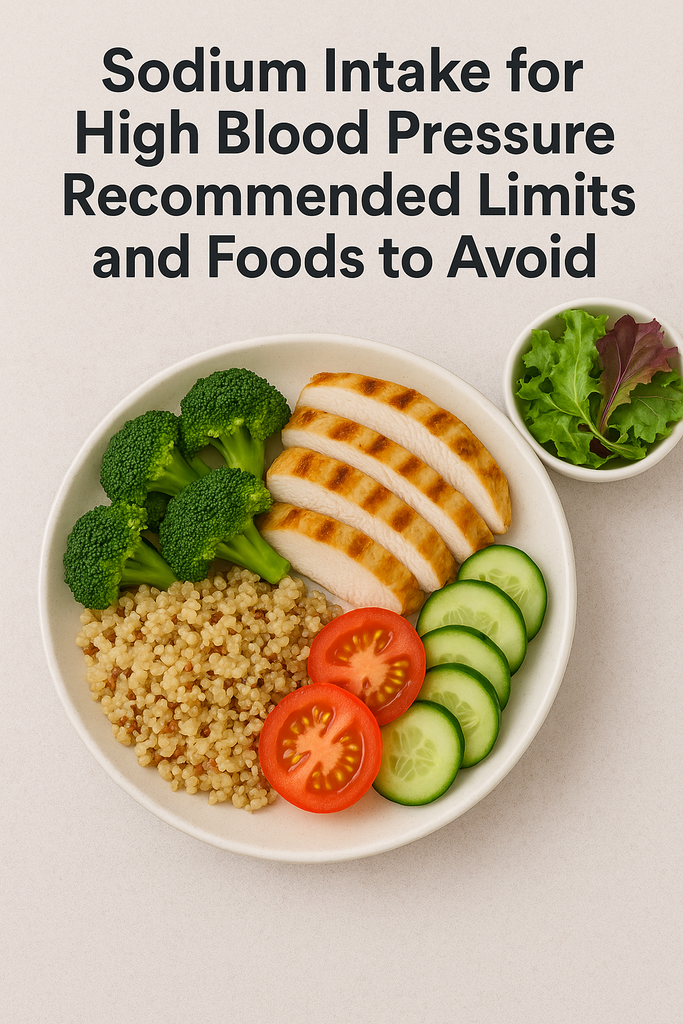
High blood pressure, also known as hypertension, is a leading risk factor for heart disease, stroke, and kidney problems. While several lifestyle changes can help manage blood pressure, reducing sodium intake remains one of the most effective dietary strategies. The relationship between sodium and high blood pressure is well-documented—and the choices you make at the grocery store and dinner table can make a real difference.
Understanding how much sodium your body actually needs, which foods are stealthy sodium sources, and how to shop and cook smarter are key to protecting your cardiovascular health. This evidence-based guide breaks down recommended sodium limits, reveals the most problematic foods, and offers practical solutions for eating well while managing hypertension.
Science-Based Weight Loss Guide: Calories, Macronutrients, and More
body composition caloric deficit calories and weight loss energy balance fat loss vs weight loss fat-burning foods fiber and digestion healthy fat loss how to lose weight macronutrients metabolism and fat loss muscle preservation nutrition basics protein for weight loss sustainable diet thermic effect of food weight loss and sleep weight loss science weight loss supplements weight management
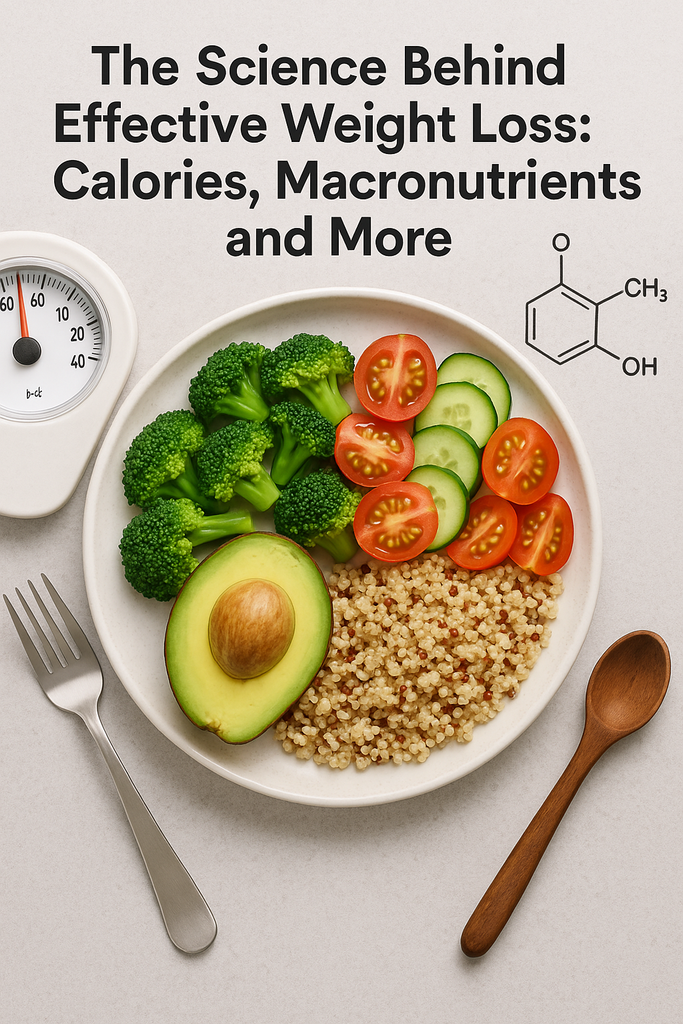
In a world saturated with diet fads and fitness hacks, effective weight loss still boils down to science. Understanding the fundamentals—calories, macronutrients, energy balance, and metabolism—can help you take control of your health journey in a sustainable and informed way. Weight loss isn’t about starving yourself or chasing trends; it’s about working with your body’s biology to achieve real, lasting change.
Whether your goal is fat loss, muscle definition, or simply feeling more energetic, knowing how your body processes food and expends energy is essential. This article breaks down the science behind effective weight loss, explaining how calories, proteins, fats, and carbohydrates work together to influence your metabolism, hunger levels, and body composition. Armed with this knowledge, you’ll be better equipped to create a personalized, sustainable plan that delivers results.