
News
Top Alkaline Foods for Body pH: An Evidence-Based Guide
acid-forming foods alkaline diet alkaline foods alkaline water alkalinity and health alkalizing foods body pH chlorophyll supplements diet and acidity fruits and pH how to balance pH leafy greens benefits magnesium and pH metabolic acid load natural pH balance nutrition and pH pH and digestion pH balance plant-based diet urine pH
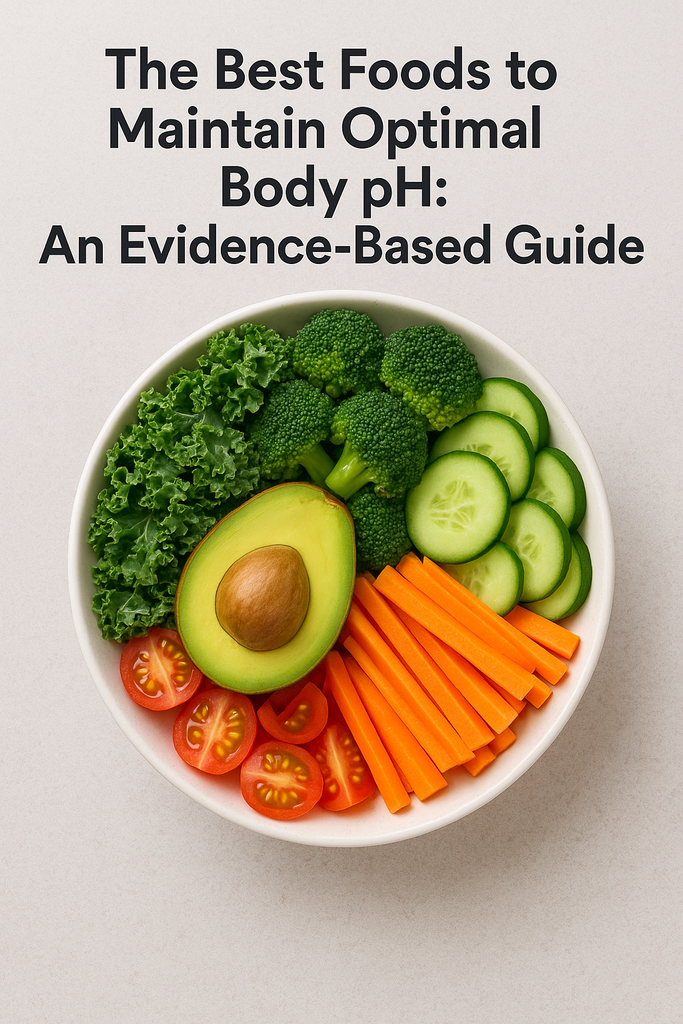
The human body is an incredible balancing machine, constantly working to maintain a slightly alkaline pH—especially in the blood, which ideally stays around 7.35 to 7.45. While the body regulates its pH automatically, the foods we eat can influence pH in subtle ways, particularly through the acid or alkaline-forming effects of their metabolic byproducts.
Many nutritionists believe that consuming more alkaline-forming foods—like vegetables, fruits, nuts, and legumes—can support better energy, reduce inflammation, and potentially lower the risk of chronic disease. This article dives into the science behind dietary pH, explores the top foods that promote balance, and debunks common myths along the way. Get ready for a clear, evidence-based guide to eating for a more harmonious internal environment.
Retinol: Your Ultimate Wrinkle Warrior
anti-aging skincare best retinol tips collagen boost fine line removal glowing skin how retinol works retinol retinol alternatives retinol for acne retinol for beginners retinol guide retinol routine retinol side effects retinol supplement retinol vs retinoid skin firming skin renewal sun damage repair vitamin A skincare wrinkle treatment

In the battle against fine lines, wrinkles, and uneven skin texture, one ingredient consistently stands out as the ultimate skin-renewing powerhouse: retinol. Often called the “gold standard” in anti-aging skincare, retinol is a derivative of vitamin A that works at the cellular level to boost collagen, accelerate skin renewal, and reveal a smoother, more radiant complexion.
But despite its popularity, many people don’t fully understand how retinol works, how to use it correctly, or why it’s so effective at fighting the signs of aging. In this article, we’ll break down what makes retinol such a potent wrinkle warrior and explore how it transforms your skin from the inside out—delivering long-lasting improvements in tone, texture, and youthful glow.
Beta-Blockers: How They Work for Your Heart and Anxiety
anxiety treatment arrhythmia treatment atenolol beta-blockers beta-blockers and stress beta-blockers for anxiety blood pressure medication calming supplements cardiovascular support heart health heart medicine heart rate control how beta-blockers work hypertension treatment natural alternatives to beta-blockers nervous system performance anxiety propranolol side effects of beta-blockers stage fright remedy

Beta-blockers are a class of medications widely known for their ability to manage high blood pressure and support heart health. But these powerful drugs do more than just slow your pulse—they also play a key role in treating anxiety, migraines, and certain types of tremors. Whether prescribed for a cardiac condition or occasional stage fright, beta-blockers work by calming the body’s response to stress and reducing strain on the cardiovascular system.
While highly effective, beta-blockers are not without their risks. Like any medication, they come with a list of potential side effects and require proper monitoring. In this article, we'll explore how beta-blockers work, their common uses, potential side effects, and what you need to know if you're considering—or already taking—this versatile heart and anxiety medication.
How Blue Light Affects Your Eyes and How to Protect Them
20-20-20 rule blue light blue light glasses blue light protection computer vision syndrome digital eye strain eye care eye health supplements eye-friendly diet HEV light kids screen time lutein and zeaxanthin macular health natural eye health night shift mode retinal health screen brightness screen fatigue screen time tips sleep disruption

In our modern digital world, screens are everywhere—from smartphones and tablets to laptops and LED lighting. While these technologies make life more connected and convenient, they also emit high-energy visible (HEV) light, commonly known as blue light. You may have heard concerns about blue light’s impact on sleep, vision, and long-term eye health, but how much of it is true—and how can you protect your eyes without ditching your devices?
Blue light isn’t inherently bad. In fact, it's part of the natural light spectrum and plays a role in regulating our sleep-wake cycles. But excessive exposure, particularly from digital screens and artificial lighting, may contribute to digital eye strain, sleep disturbances, and possibly even retinal damage over time. In this article, we’ll explore how blue light affects your eyes, what the latest science says, and how you can take simple, effective steps to protect your vision and preserve your eye health.
The Link Between Gut Microbiome and Intestinal Wellness
bloating relief digestion support digestive health dysbiosis fermented foods fiber and digestion fiber fermentation gut bacteria gut health supplements gut inflammation gut microbiome gut-brain axis healthy digestion immune system intestinal wellness leaky gut microbiome balance natural gut remedy prebiotics probiotics

Deep within your digestive tract lies a dynamic and complex community of microorganisms known as the gut microbiome. Composed of trillions of bacteria, fungi, viruses, and other microbes, this internal ecosystem plays a vital role in your overall health—particularly your intestinal wellness. Far from being passive passengers, these tiny organisms actively influence digestion, immunity, inflammation, and even mood regulation.
Modern science has shed light on just how intertwined gut microbes are with our gastrointestinal health. Disruptions in this microbial balance, known as dysbiosis, can lead to bloating, constipation, diarrhea, irritable bowel syndrome (IBS), and inflammatory bowel disease (IBD). In this article, we’ll explore the intimate connection between the gut microbiome and intestinal wellness, how to recognize imbalances, and actionable strategies to nourish your gut for long-term digestive harmony.